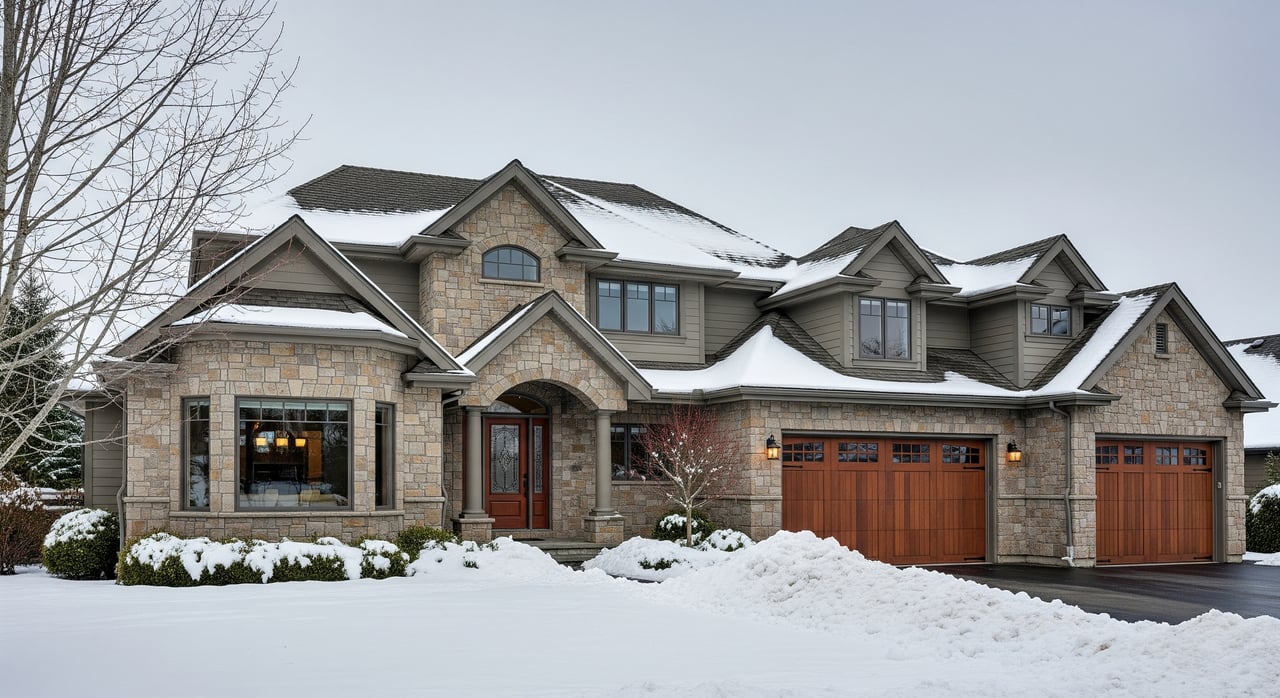
Thinking about listing your North Bend home while it is still gray and chilly outside? You are not alone. Many sellers use late winter to prepare so they can capture early-spring buyers when inventory is still low and motivation is high. In this guide, you will learn exactly how to get winter-ready in the foothills, from safety-first maintenance and curb appeal to staging, photography, and timing your launch. Let’s dive in.
Why winter prep matters in North Bend
North Bend’s foothill location means colder nights, more frequent freeze-thaw cycles, and a higher chance of snow and ice than many Puget Sound lowland communities. That affects showings, curb appeal, and how buyers perceive maintenance. Short daylight hours make lighting and safe access essential.
Seasonally, buyer activity typically peaks in spring. If you prepare now and list in late winter, you can meet early-spring buyers while competing against fewer homes. Weather can disrupt open houses, so plan flexible schedules and clear communication.
High-priority safety and systems checklist
Handle these items first. They matter in inspections and help buyers feel confident in winter.
- Heating system: Service the furnace or heat pump, replace filters, and confirm the thermostat is working smoothly.
- Hot water: Check for leaks, proper temperature, and consistent hot-water delivery.
- Freeze protection: Insulate exposed pipes and look for signs of past freeze damage. Fix slow drips and confirm hose bibs are winterized.
- Roof and gutters: Clear debris, confirm downspouts move water away from the foundation, and look for sagging or staining. If you have attic access, check insulation and ventilation to reduce ice-dam risk.
- Foundation drainage and sump pump: Test the sump pump if you have one and verify grading pulls water away from the house.
- Electrical safety: Replace any nonworking exterior lights and test GFCI outlets. Confirm exterior outlet covers are intact.
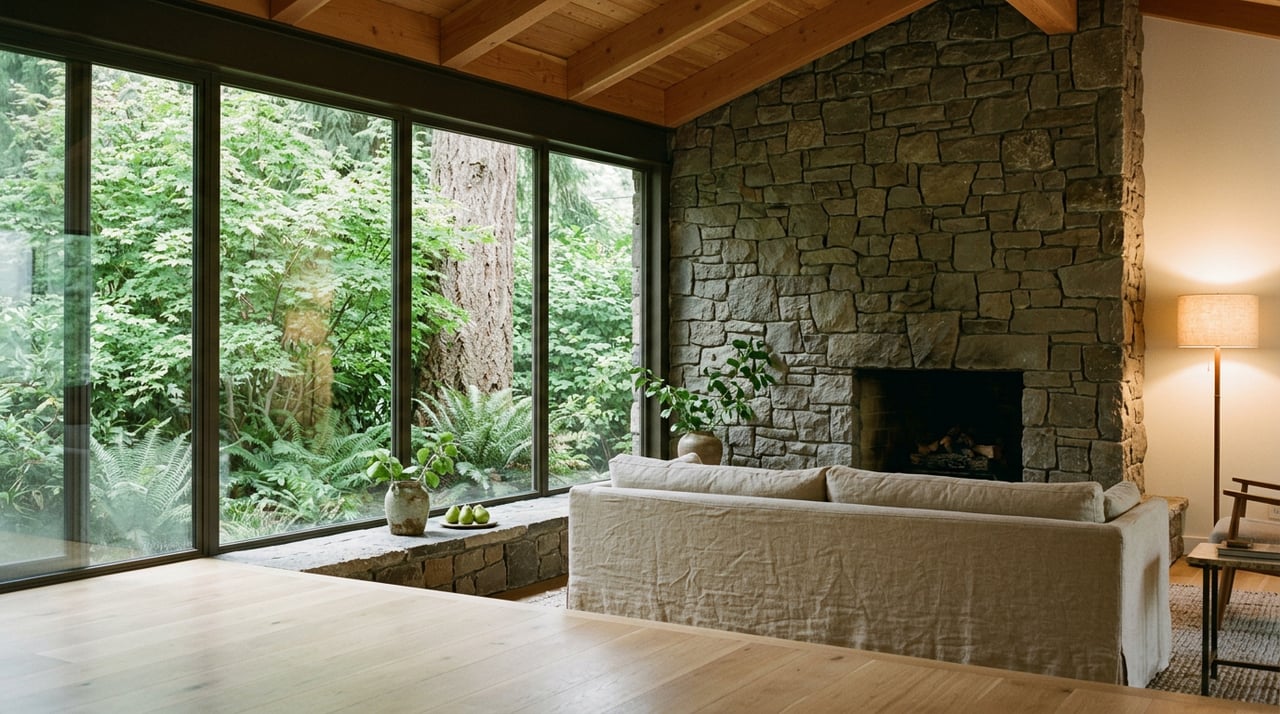
- Fireplace and chimney: If the fireplace is part of your home’s appeal, schedule an inspection or cleaning and confirm damper function.
- Walkways and rails: Repair loose boards, uneven pavers, and shaky handrails to reduce slip risks during wet or icy conditions.
- Decks and trees: Tighten fasteners on decks and remove dead limbs that could fall in storms.
Documentation to gather: HVAC service receipts, roof or septic records if applicable, permits for any recent exterior or structural work, and notes on any freeze or water events and the repairs completed. If your property is near the Snoqualmie River or on a slope, review local hazard resources and be prepared to disclose known issues.
Exterior curb appeal in cold weather
Wet, icy, and muddy conditions can make access feel stressful for buyers. A few focused steps create an inviting, safe first impression.
- Clear paths and driveways: Keep surfaces free of snow, ice, and mud. Use plant- and pet-safe de-icers where possible, especially on newer concrete and near beds.
- Create a clean entry: Place a sturdy welcome mat outside and a boot tray just inside. Add a second mat in the entry hallway to catch residual moisture.
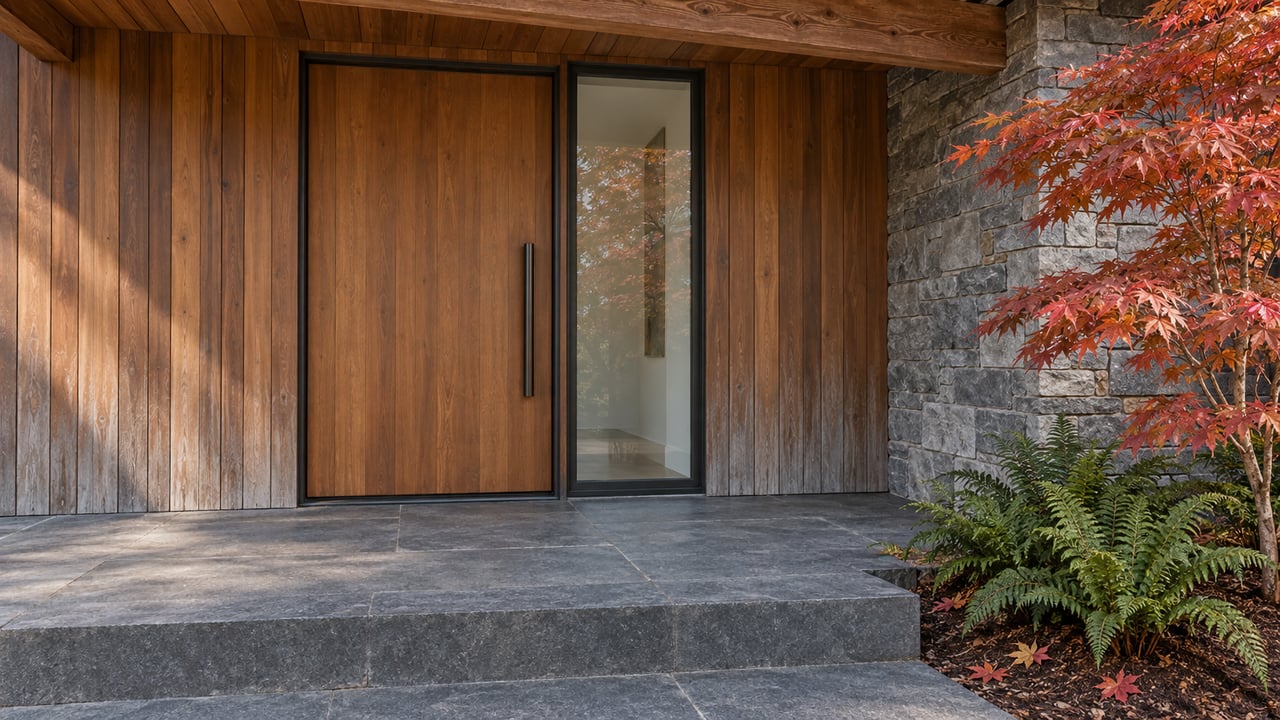
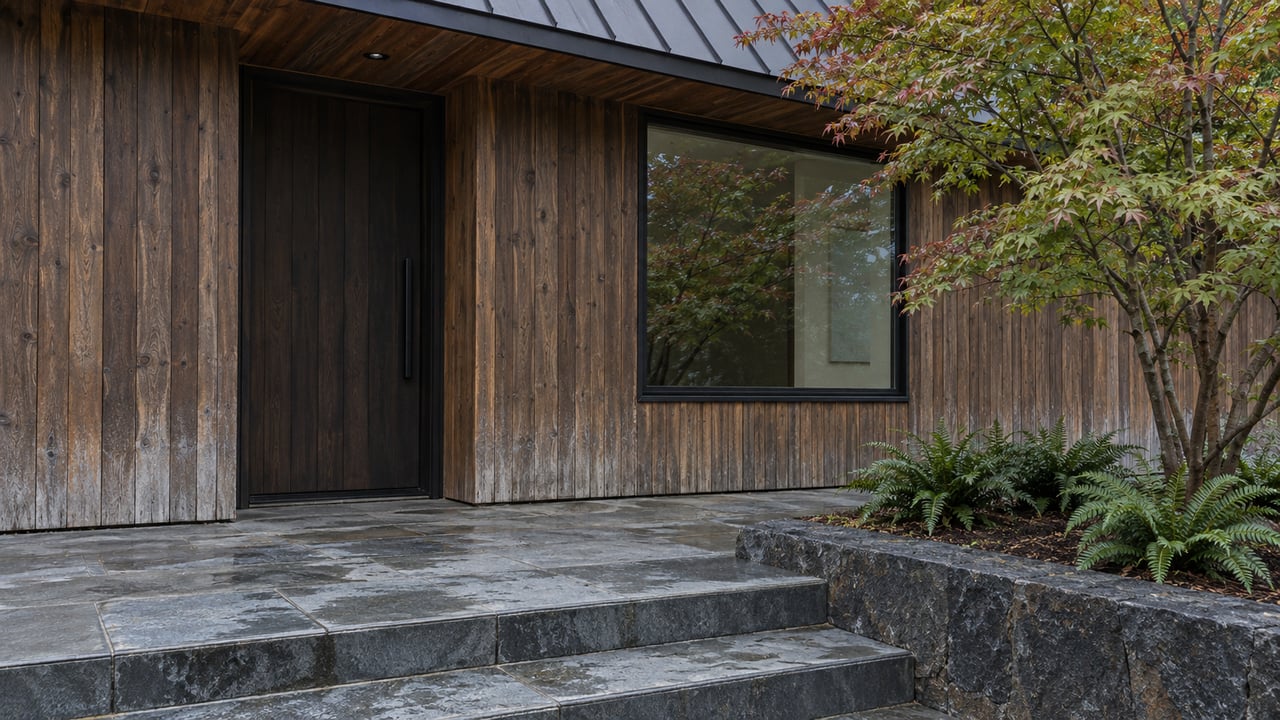
- Refresh the front door: Touch up paint, polish or replace hardware, and add simple, neutral decor like an evergreen wreath.
- Trim and tidy: Remove leaf piles, dead annuals, and large sticks. Prune back overgrown shrubs to reveal the home’s lines and improve light.
- Add winter color: Use evergreen shrubs or a pair of winter-hardy potted evergreens at the entry.
- Upgrade lighting: Repair or add pathway, porch, and side-yard lights. Use warm LED bulbs for a welcoming look in twilight and evening showings.
- Clean and repair small items: Pressure-wash walkways and siding, replace faded house numbers or a wobbly mailbox, and tidy trash or recycling areas.
Buyers notice the basics. Clear gutters, safe steps, and good lighting do more than you might expect in January and February.
Interior staging that warms without clutter
Aim for cozy, bright, and neutral. You want buyers to imagine their life in your home, not your winter gear.
- Light the space: Replace dim bulbs with daylight-balanced LEDs and add lamps to shadowed corners. Keep blinds and curtains open for daytime showings.
- Balance color temperature: Use warm but neutral bulbs around 3000–4000K to create comfort while keeping colors true in photos.
- Edit and depersonalize: Reduce heavy seasonal decor. Store excess coats, boots, and sports gear to open up entryways and mudrooms.
- Layer texture: Add a soft throw and a neutral area rug where appropriate. Keep it simple and clean.
- Manage temperature: Set a consistent, comfortable thermostat. Buyers remember cold rooms.
- Control odors: Deep-clean carpets and upholstery if needed. Ventilate when weather allows and use mild, neutral scents.
- Protect floors: Place runners or mats at entries and high-traffic halls to handle wet shoes between showings.
Photography, video, and virtual tours
With short winter days, the right plan makes your listing stand out online.
- Schedule photos mid-day on the brightest available day. Turn on all interior lights and open window coverings.
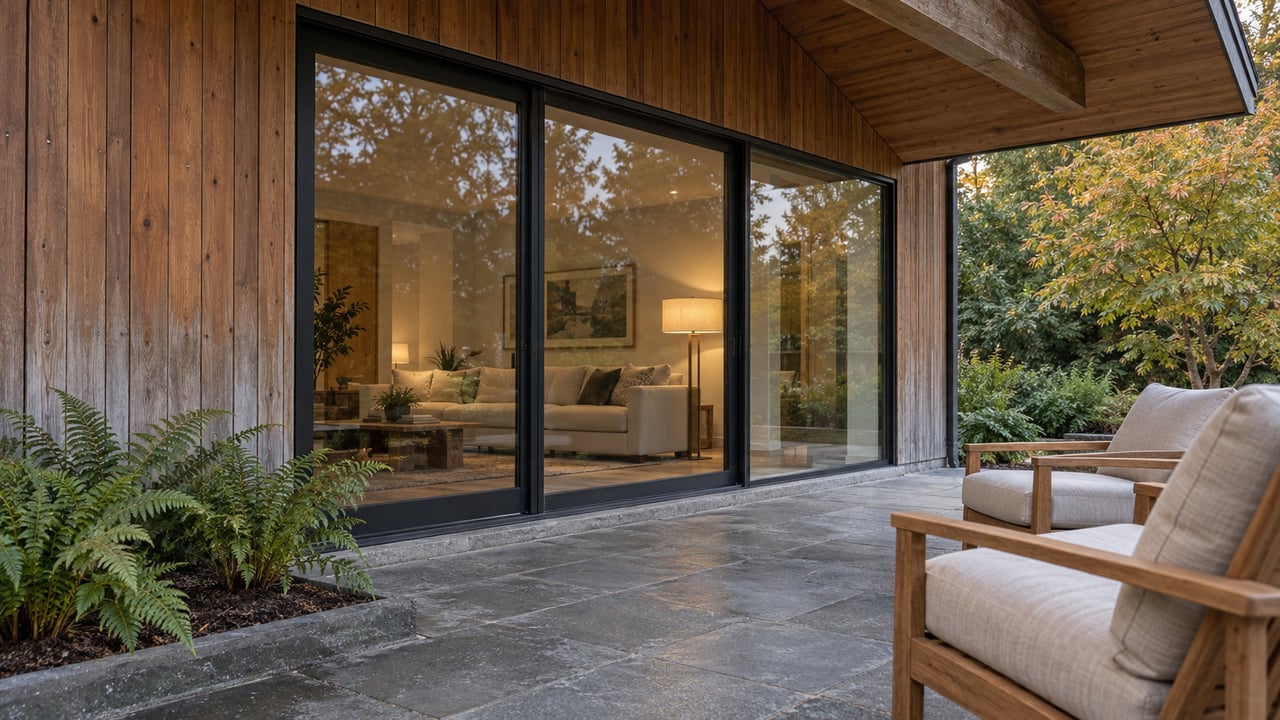
- Capture twilight exteriors to showcase entry and pathway lighting. This reassures evening visitors.
- Lead with bright, warm interior images that offset gray skies.
- Add a 3D tour or video walkthrough to help buyers who may avoid travel during storms.
Showings that work in winter
Make access smooth and the experience easy. That is what buyers remember.
- Prefer midday showings for natural light. If evenings are needed, confirm all exterior and entry lights are working.
- Keep a quick-turn kit by the door: towels, a broom, pet- and plant-safe de-icer, and a boot tray.
- Pet plan: Remove pets when possible and clean up fur and odors between visits.
- Confirm safe access before each appointment. If weather shifts, be ready to reschedule promptly.
Pricing and marketing strategy for a winter launch
Winter inventory is often lower, which can help a well-prepped home stand out. Buyer pools can be smaller but more motivated.
- Price with seasonality in mind: Use recent winter and early-spring comparable sales for a realistic range.
- Market winter-ready value: Highlight recent HVAC service, insulation, efficient windows, and water-management upgrades. Note any energy improvements and available rebate documentation.
- Plan open houses with flexibility: Target clear-weather weekends, and offer a virtual option to widen reach.
- Emphasize light and comfort: Showcase well-lit rooms, safe entry, and cozy living areas in copy and visuals.
Local resources to check before listing
- Hazard information: Review King County floodplain and landslide mapping and City of North Bend storm and snow operations. Disclose known issues along with mitigation steps.
- Energy efficiency and rebates: Explore Puget Sound Energy and Washington State weatherization and heat-pump programs. If you complete upgrades, keep receipts and rebate records for buyers.
- Permitting and repairs: If you completed exterior or structural work, verify permits through local agencies and gather documentation.
A practical 6–8 week prep timeline
Use this simple schedule to stay on track for a late-winter listing and early-spring demand.
6–8 weeks out
- Service the heating system and replace filters.
- Inspect roof and clear gutters and downspouts.
- Test the sump pump if present and check grading around the foundation.
- Fix safety items like loose rails and uneven pavers.
- Gather service records, permits, and energy-upgrade documents.
3–4 weeks out
- Deep-clean interior spaces. Steam-clean carpets if needed.
- Tackle paint touch-ups and refresh the front door.
- Replace or repair broken light fixtures and install warm LED bulbs.
- Book professional photography and a 3D tour for the next bright day.
- Schedule any light landscaping, pruning, and debris removal.
1 week out
- Final staging and decluttering. Store heavy winter items.
- Set a consistent thermostat schedule for showings.
- Create your winter showing kit with mats, towels, and de-icer.
- Confirm pathways, steps, and porch lighting are ready.
Listing week and day-of
- Keep access clear and dry before each showing.
- Turn on all lights, open blinds, and tidy entry mats and boot trays.
- Share your service records and disclosures with your agent for buyers.
- Prepare a plan for flexible scheduling in case of storm delays.
Be ready for common buyer questions
Winter buyers often ask about cold-weather performance and risk. Prepare clear, factual answers.
- Freeze or water history: Share what happened, the repairs made, and steps taken to prevent recurrence such as insulation or grading.
- Heating reliability: Provide recent HVAC service records and any efficiency upgrades.
- Environmental risks: Reference local hazard maps and note any mitigation done.
- Winter light: Offer photos that show natural light at peak times and explain window orientation where helpful.
Your next step
If you want a calm, strategic sale this winter, start with a clear plan and polished presentation. From pricing with seasonal comps to pro photography and a winter-ready showing plan, thoughtful preparation is your edge in North Bend. When you are ready, reach out for local guidance, concierge-level marketing, and a tailored timeline that fits your goals.
Connect with Chris Watkins to map your winter listing strategy and get your free valuation.
FAQs
What should I fix first when selling a home in a North Bend winter?
- Prioritize heating service, roof and gutter cleaning, safe walkways and rails, sump pump testing, and any plumbing freeze protection.
How do I make my home feel bright during short winter days?
- Use daylight-balanced LED bulbs, add lamps to corners, open blinds and curtains, and schedule photos and showings for late morning to early afternoon.
What curb appeal projects work best in cold, wet weather?
- Keep paths clear, refresh the front door and hardware, tidy landscaping, add evergreen planters, and ensure warm, reliable exterior lighting.
Should I list in late winter or wait until spring in North Bend?
- Listing in late winter can capture early-spring buyers while inventory is low. With solid prep, you may face less competition and faster offers.
How can I address buyer concerns about winter risks like flooding or ice dams?
- Provide service records, show roof and gutter maintenance, explain insulation or ventilation upgrades, and reference local hazard information for transparency.
What marketing helps a winter listing stand out online?
- Lead with bright interior photos, include twilight exteriors, add a 3D tour or video walkthrough, and highlight winter-ready systems in the description.