If you are trying to picture life in Kirkland, it helps to start with the water. This is a city where Lake Washington shows up in everyday routines, not just on postcard views. Whether you are relocating, downsizing, or simply comparing Eastside communities, understanding the feel of daily life can help you decide if Kirkland matches what you want. Let’s dive in.
Life Centers Around the Lake
One of the clearest things about Kirkland is how often the lake becomes part of an ordinary day. The City of Kirkland highlights dozens of parks, including several waterfront spaces with trails, picnic areas, playgrounds, and seasonal swim areas. That means lake access is not limited to one destination or one part of town.
Marina Park is a good example of that rhythm. It sits downtown near restaurants and shops and brings together a sandy beach, boat launch, public art, an open-air pavilion, summer concerts, and broad views across Lake Washington toward Seattle. In practical terms, that can look like a quick walk by the water before dinner, a casual meet-up with friends, or a simple stop to take in the view.
Juanita Beach Park offers a slightly different feel. The city describes it as a sandy swim area with a U-shaped dock, summer lifeguards, and access for kayaks and paddleboards. It feels more tied to neighborhood routines, which helps explain why many people think of Kirkland as a place where outdoor time fits naturally into the week.
The city also lists Houghton Beach, Waverly Beach, and Juanita Beach as guarded swimming beaches. That spread of waterfront access helps create the sense that lake life is woven across multiple areas of Kirkland, not concentrated in just one spot. In summer, that often means short beach visits, after-work swims, stroller walks, or a few quiet minutes by the shore.
Getting Around Feels More Connected
Kirkland often feels more connected than people expect from a suburban Eastside city. A big reason is the Cross Kirkland Corridor, a 5.75-mile multi-use trail that runs through the heart of the city. The trail connects neighborhoods, parks, schools, transportation hubs, and business districts, which gives daily movement a more linked-together feel.
For you, that can mean more than just recreation. Walkers, joggers, and bike riders use the corridor, but it also helps shape how different parts of the city relate to each other. Instead of every trip feeling isolated, Kirkland has places where movement feels built into the city pattern.
The city’s 10-minute neighborhood analysis adds another layer to that idea. Downtown, Village at Totem Lake, and Juanita Village are identified as areas where errands and destinations can be grouped into shorter trips. That helps explain why some parts of Kirkland feel compact and convenient, even while the city still offers a range of neighborhood settings.
Downtown especially reflects that design goal. The city’s investment work there focuses on pedestrian safety, traffic flow, and stronger connections between storefronts and the waterfront. If you value a place where walking can be part of your normal routine, Kirkland has pockets where that is clearly part of the experience.
Neighborhoods Have Distinct Rhythms
Kirkland does not feel like one-note suburbia. Different areas have their own pace, and that variety is part of the appeal for buyers exploring the Eastside. Some spots feel more residential and quiet, while others feel closer to mixed-use activity and daily conveniences.
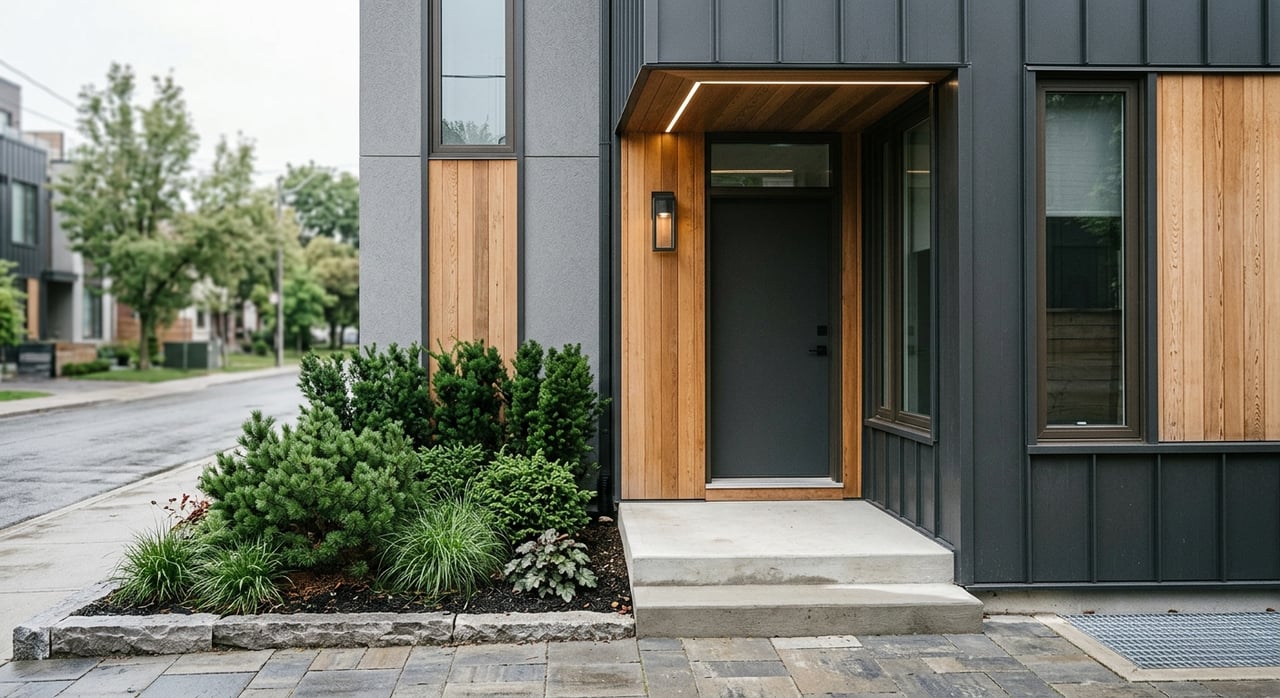
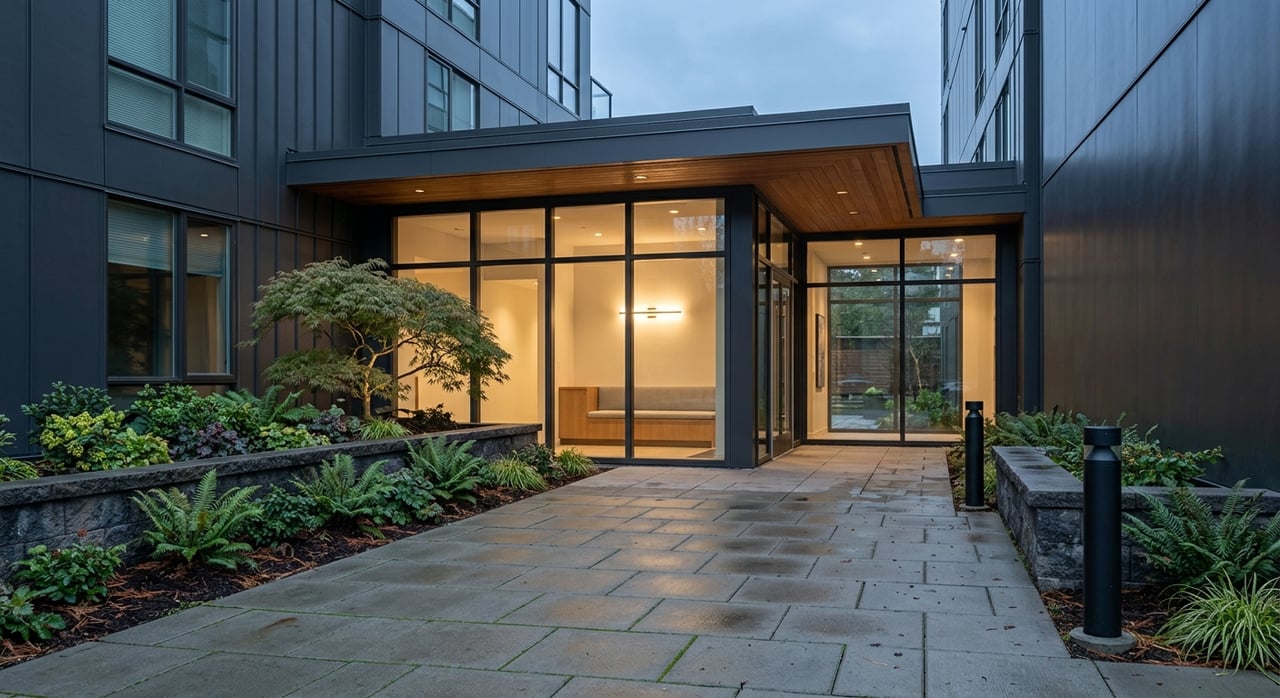
The city’s housing materials reflect that variety. Kirkland includes detached single-family homes, duplexes, triplexes, cottage housing, accessory dwelling units, townhomes, and apartment or condominium buildings. Higher-density homes are more common in mixed-use and commercial areas, which creates a wider set of lifestyle choices within the same city.
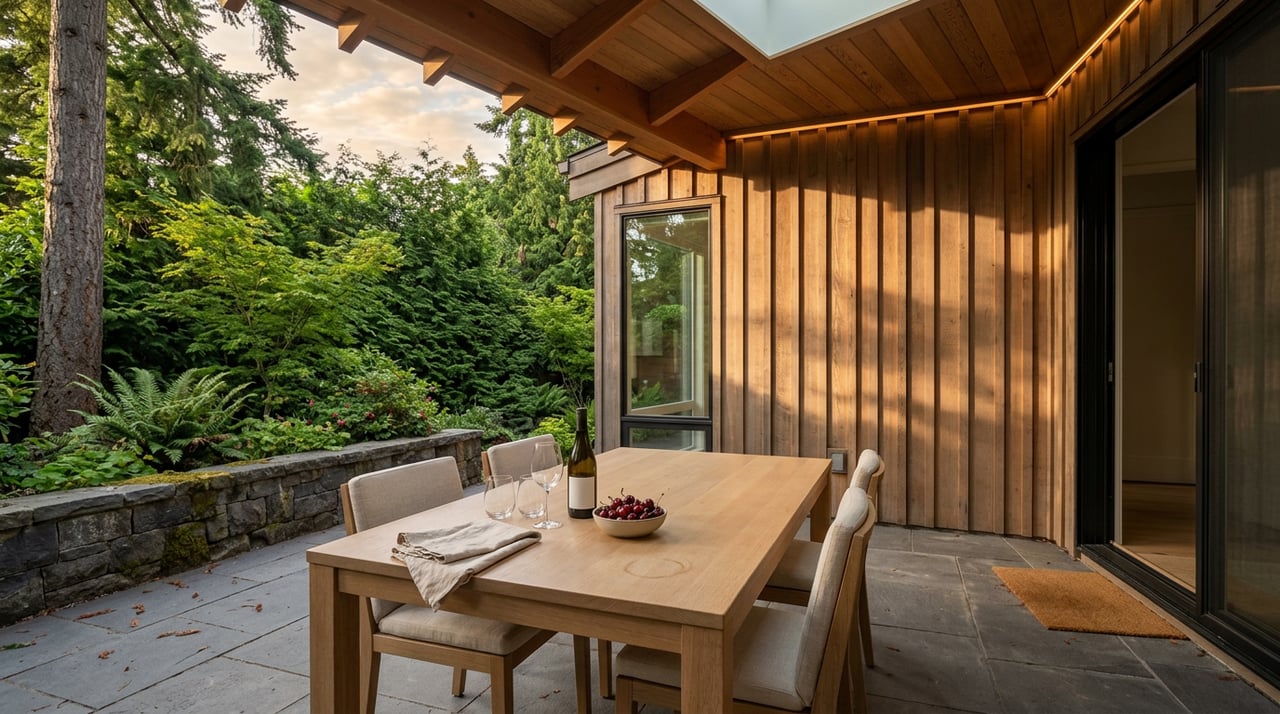
That range matters if you are trying to match a home search with the kind of day-to-day life you want. You might prefer a traditional residential street, a smaller cottage-style home, or a condo or townhome closer to shops and services. Kirkland makes room for each of those options.
The city specifically describes cottage housing as smaller and often more affordable. For some buyers, that may offer a way to stay in Kirkland while choosing a lower-maintenance or more compact living style. For others, mixed-use areas may offer the appeal of being closer to errands and dining.
Daily Errands Can Feel Easier
One of Kirkland’s practical strengths is how certain districts support everyday convenience. In Downtown Kirkland, Marina Park sits close to restaurants and shops, so daily life can feel less car-dependent when you are spending time in that area. The experience is not just about amenities on a list. It is about how easily they fit into your week.
Village at Totem Lake and Juanita Village also stand out because the city identifies them as places where destinations can cluster into shorter trips. That makes a difference when you are balancing work, errands, appointments, and personal time. A city can feel much easier to live in when tasks stack together smoothly.
At the same time, regional access remains part of the picture. The Washington State Department of Transportation notes that the SR 520 corridor serves Eastside communities including Kirkland, Bellevue, and Redmond. For many residents, that means planning still involves driving, especially for work and cross-lake or regional trips.
Transit is also evolving. King County Metro says it is working toward RapidRide K Line service by 2030 between Totem Lake Transit Center, Downtown Kirkland, Downtown Bellevue, and Eastgate Park-and-Ride. While most people may still organize daily life around a car today, future transit improvements are part of Kirkland’s longer-term convenience story.
Community Life Shows Up on the Calendar
Kirkland has a strong public-life feel, and that becomes especially visible through recurring events. The Kirkland Downtown Association hosts free events such as the Wednesday Market, Summer Concert Series, and winter programs. These are the kinds of events that give the city a repeated rhythm rather than a one-time burst of activity.
The Wednesday Market at Marina Park is a good example. It brings together local farmers, artisans, and food producers during the summer, which gives downtown a gathering-place feel in the middle of the week. For residents, that can turn an ordinary day into an easy reason to get outside and connect with the city.
The City of Kirkland’s event calendar also includes traditions such as the Celebrate Kirkland Fourth of July parade, State of the City and Community Appreciation Night, and Día de los Muertos. Together, these events add to the sense that Kirkland is not only a place to live, but also a place where public spaces are used consistently.
That community rhythm also shows up at the neighborhood level. The city’s Neighborhood Services division works with neighborhood associations, a neighborhood safety program, and a grant-matching program. In day-to-day terms, that can make Kirkland feel organized around local participation, not just around major destinations.
What Kirkland Often Feels Like
If you had to sum up everyday life in Kirkland in one phrase, it might be this: a lake town with urban pockets. You get waterfront access that feels usable, not distant. You also get parts of the city where errands, dining, and public spaces come together in a way that feels efficient and social.
That balance is a big reason Kirkland stands out for many Eastside buyers. It offers a mix of natural setting, neighborhood variety, and practical convenience. You can look for a quieter residential experience, a more connected mixed-use area, or something that gives you a little of both.
For relocating buyers, that can make Kirkland easier to imagine in real life. You are not just choosing a home. You are choosing whether your week will include quick lakefront walks, grouped errands, active public spaces, and a city layout that supports more than one way of living.
For sellers, this lifestyle story matters too. Buyers are often responding to more than square footage or finishes. They are also responding to what life near Marina Park, Juanita Beach, the Cross Kirkland Corridor, or a walkable village area could feel like once they move in.
If you are thinking about buying or selling on the Eastside and want clear, local guidance, Chris Watkins offers boutique representation with attentive service, neighborhood insight, and polished marketing support.
FAQs
What is daily life like in Kirkland, WA?
- Daily life in Kirkland often centers on Lake Washington, neighborhood parks, walkable districts like Downtown Kirkland, and recurring community events that create an active but relaxed rhythm.
Does Kirkland, WA feel walkable?
- Some parts of Kirkland feel especially walkable, including Downtown, Village at Totem Lake, and Juanita Village, where the city identifies destinations and errands that can be grouped into shorter trips.
What outdoor activities are common in Kirkland, WA?
- Common outdoor activities in Kirkland include walking, jogging, biking on the Cross Kirkland Corridor, visiting waterfront parks, swimming at guarded beaches, and using lake access for kayaks and paddleboards.
What kinds of homes are found in Kirkland, WA?
- Kirkland includes detached single-family homes, duplexes, triplexes, cottage housing, accessory dwelling units, townhomes, and apartment or condominium buildings, with higher-density homes more common in mixed-use and commercial areas.
Is Kirkland, WA good for buyers who want convenience?
- Kirkland can appeal to buyers who want convenience because some districts combine shops, dining, parks, and services into more compact areas, while regional access and planned transit improvements add to overall connectivity.