If you are getting ready to sell in Redmond, it is easy to wonder whether you need a big remodel to stand out. In reality, today’s market often rewards smart preparation more than expensive last-minute upgrades. When you understand what buyers notice first and where small improvements carry the most weight, you can protect your price, strengthen your photos, and head to market with more confidence. Let’s dive in.
Why pre-listing prep matters in Redmond
Redmond is still a strong housing market, but buyers have become more selective. Redfin’s March 2026 data showed a median sale price of $1.395 million, homes selling in about 13 days, and a 99.5% sale-to-list ratio. At the same time, 37.5% of listings had price drops, which is a clear sign that presentation and pricing strategy both matter.
Inventory has also improved compared with the tightest recent market conditions. NWMLS reported Washington had 3.57 months of inventory in January 2026, still below the 4 to 6 months that is generally considered balanced. RSIR reported King County at 1.5 months of inventory in Q4 2025, which means competition remains real, but sellers cannot count on every home looking equally appealing.
That is why a prep-first strategy makes sense for many Redmond sellers. If your home is already close to market-ready, focused preparation can help reduce buyer objections and support stronger online presentation without the cost and delay of a major remodel.
What buyers notice first
Before a buyer reads every detail of the listing, they react to the overall feel of the home. Online photos, first impressions at the front door, and whether the space feels clean and easy to picture living in all shape that response. In a market where buyers have more choices, these early reactions matter even more.
The strongest baseline prep items are not always the most expensive. According to the 2025 NAR staging report, 91% of seller agents recommended decluttering, 88% recommended cleaning the entire home, and 77% recommended improving curb appeal. That makes these steps some of the most reliable ways to improve how your home is perceived.
Decluttering sets the tone
Clutter makes rooms feel smaller and more distracting. When buyers cannot easily read the shape, light, or function of a room, they often focus on what feels off instead of what works well. Removing excess furniture, personal items, and crowded surfaces helps your home appear more spacious and more polished.
This matters especially for online marketing. If your rooms look open and calm in photos, buyers are more likely to book a showing and arrive with a positive first impression.
Deep cleaning pays off quickly
A spotless home signals care. Clean floors, bright kitchens, fresh bathrooms, and dust-free surfaces tell buyers the property has been maintained. These are simple cues, but they shape confidence.
Deep cleaning is also one of the most cost-effective pre-listing steps because it improves both in-person showings and your photo set. In a market where homes are still selling quickly but not as instantly as before, that extra polish can help keep momentum on your side.
Curb appeal creates the first yes
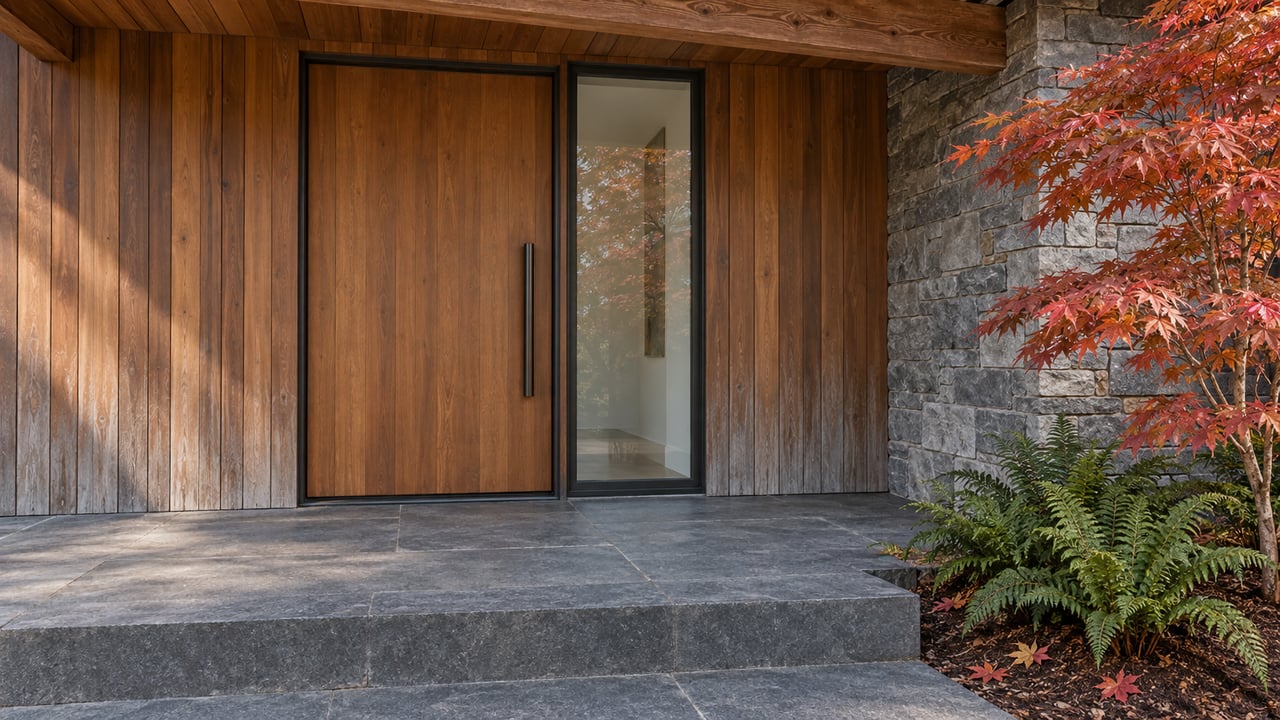
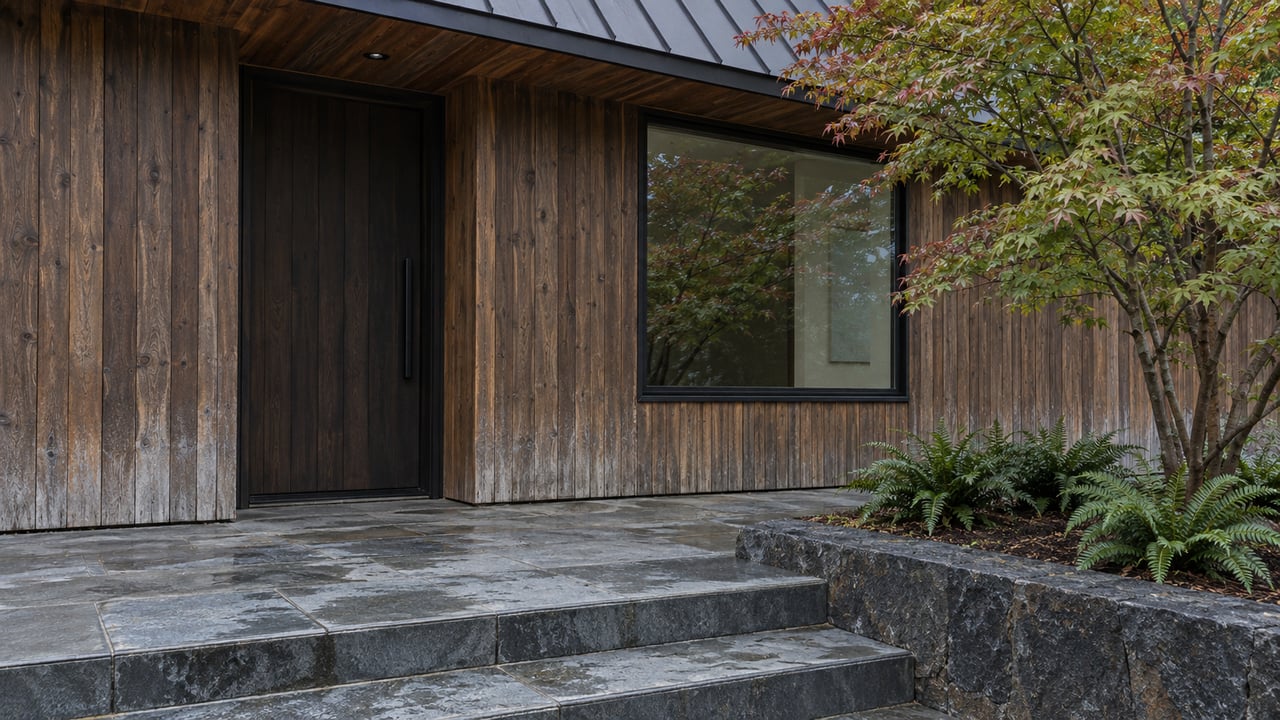
The exterior starts the story before buyers step inside. A tidy entry, trimmed landscaping, clean walkways, and a well-presented front door can make the whole home feel more inviting. If the outside looks neglected, buyers may assume the same about the interior.
For sellers close to listing, curb appeal is often a smart place to focus because it affects both drive-up impressions and the listing gallery. It is a visible, practical way to help your home compete.
Stage the rooms that matter most
Not every room needs the same level of attention. If you want to use your time and budget wisely, focus first on the spaces buyers care about most. NAR’s 2025 staging report found that buyers’ agents ranked the living room, primary bedroom, and kitchen as the most important rooms to stage.
That gives sellers a useful roadmap. Rather than trying to perfect every corner, start where buyer attention is highest and where visual impact is strongest.
Living room
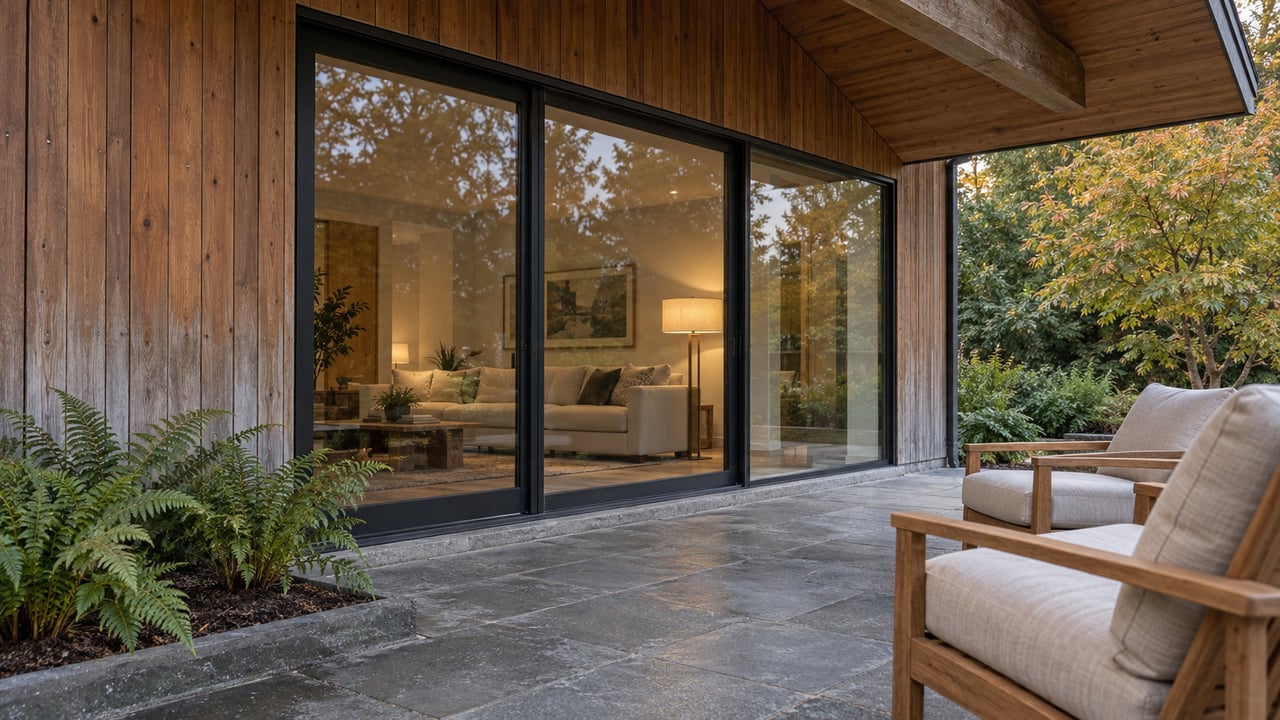
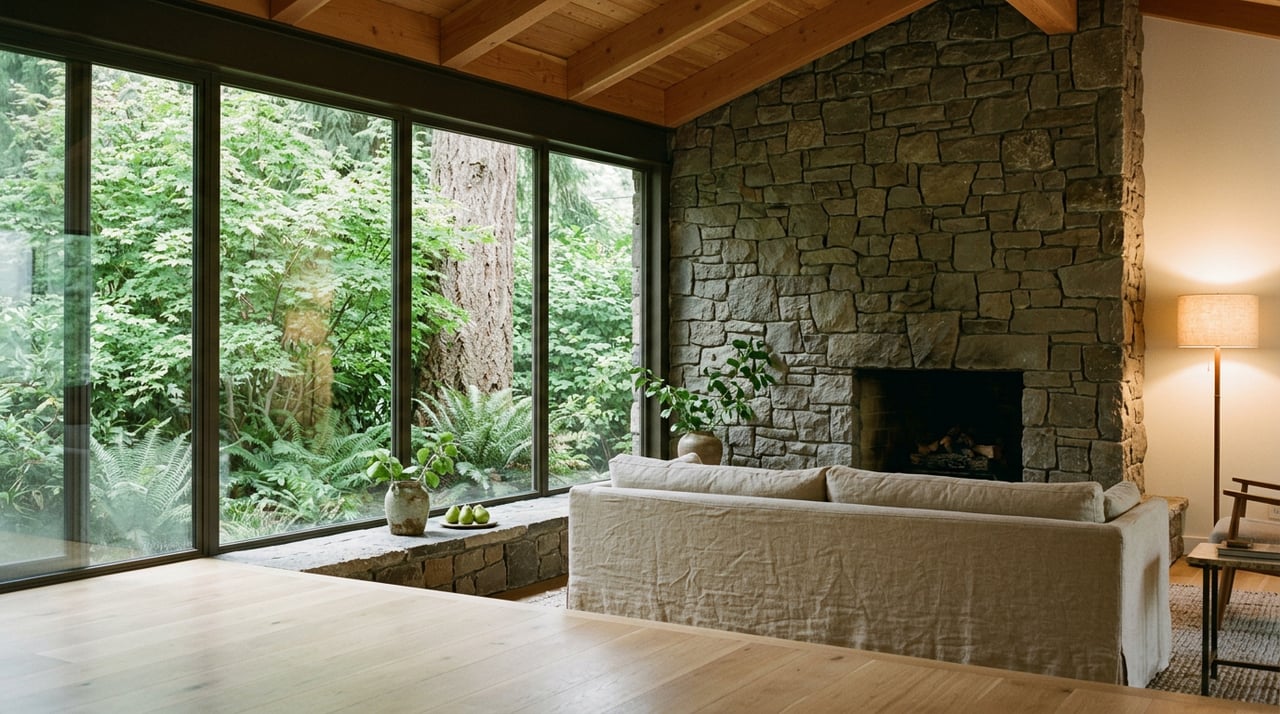
The living room often shapes a buyer’s overall impression of the home. It is one of the easiest spaces for buyers to evaluate emotionally because they immediately imagine gathering, relaxing, or hosting there. A clean layout, balanced furniture placement, and clear traffic flow can make the room feel larger and more functional.
Primary bedroom
The primary bedroom should feel restful and simple. Crisp bedding, minimal decor, and open surfaces help create that effect. Buyers do not need a dramatic look here. They need a room that feels calm, comfortable, and easy to settle into.
Kitchen
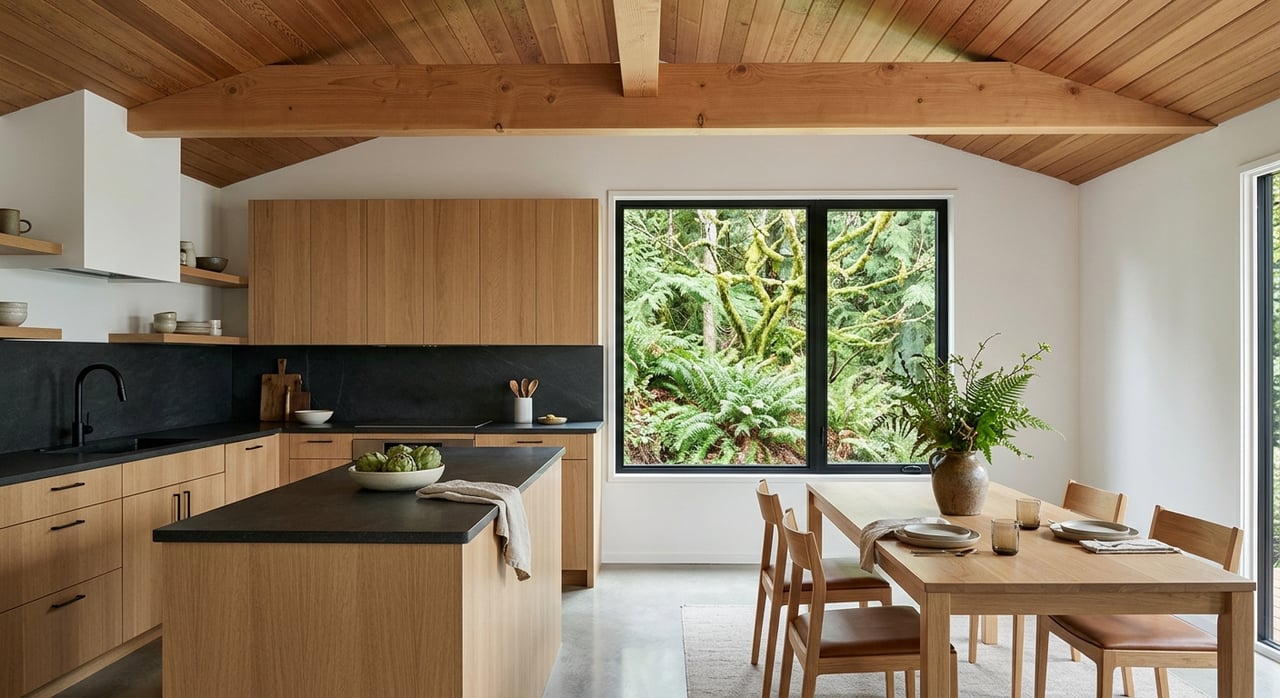
In many homes, the kitchen is where buyers spend extra attention. Clear counters, bright surfaces, and small repairs can go a long way. If the kitchen reads as clean and cared for, buyers are less likely to assume they need to take on immediate work after closing.
Lower-priority rooms
Guest bedrooms tend to matter less in the staging decision. NAR found they ranked much lower in importance, at 7%. Unless a guest room has a specific issue that hurts the showing experience, it is usually better to focus your energy elsewhere.
Digital presentation matters more than ever
Your home will likely be judged online before anyone schedules a tour. NAR reported that buyers’ agents rated photos as highly important at 73%, followed by physical staging at 57%, videos at 48%, and virtual tours at 43%. That tells you something important: prep is no longer just about the in-person showing.
When your home is decluttered, clean, and thoughtfully arranged, professional visuals become much more effective. Better photos can increase interest early, and NAR also found that 31% said buyers were more willing to walk through a home they saw online when it was staged.
There is also a realism factor to keep in mind. NAR found that many buyers expect homes to look like they were staged on TV, but many are also disappointed when real homes do not match that image. The best approach is usually clean, neutral, and believable rather than overly dramatic.
Smart updates beat major remodels
If you are close to listing, the goal is usually not to reinvent the house. The better strategy is to improve what buyers see first and address issues that create hesitation. That is where small repairs and visible cosmetic updates tend to make more sense.
The 2025 Cost vs. Value Report for the Pacific region supports this approach. It showed especially strong recapture for visible exterior projects such as garage door replacement at 262% of cost recouped and steel entry door replacement at 205.4%. A midrange minor kitchen remodel recouped 129.1%, while a primary suite addition recouped only 18.6%.
Prioritize visible fixes
If a buyer sees chipped paint, a worn entry, loose hardware, or neglected exterior details, those items can create unnecessary concern. Small fixes help your home feel more move-in ready and can reduce the sense that hidden work may be waiting.
These updates also tend to improve the photo set. That is one reason modest, visible improvements often outperform larger, more expensive projects right before listing.
Avoid over-improving before sale
Major additions or large custom remodels usually make less sense in a short pre-listing timeline. They take more time, add complexity, and may not deliver a strong resale return. The Pacific-region data on low recapture for a primary suite addition is a good reminder that bigger is not always better when your goal is sale preparation.
If there is a major functional issue, that is a separate conversation. But if your home is already broadly market-ready, strategic prep usually beats a full renovation.
A practical Redmond pre-listing checklist
If you want a clear place to start, focus on the steps most likely to improve presentation and reduce objections:
- Declutter key living spaces
- Deep clean the entire home
- Fix obvious faults and deferred maintenance items
- Refresh curb appeal
- Stage the living room, primary bedroom, and kitchen first
- Make sure the home shows well in photos and in person
This approach aligns with what agents commonly recommend and what buyers respond to most often. It also helps you stay disciplined about where to spend and where to stop.
How to decide what to spend
There is no single dollar amount that fits every seller. A better way to think about pre-listing spending is this: start with anything that removes a visible objection or strengthens your online presentation, then pause before the work becomes a remodel instead of prep.
For some Redmond homes, that may mean cleaning, touch-up paint, landscape cleanup, and selective staging. For others, it may include a few additional cosmetic updates. The right plan depends on the home’s current condition, timeline, and likely buyer expectations.
Full professional staging is not always required, either. NAR reported a median cost of $1,500 for a staging service, compared with $500 when the seller’s agent handled staging themselves. That supports a more tailored approach where some listings benefit from full staging while others need only targeted styling and presentation support.
The real goal of pre-listing prep
Pre-listing prep is not about chasing perfection. In Redmond, where homes still tend to sell relatively quickly and near list price, smart preparation is about protecting your negotiating position. It helps your home look current, cared for, and easy to imagine living in.
That can make a meaningful difference when buyers are comparing similar options. In a market where more listings are seeing price drops, the homes that feel clean, polished, and well-presented have a better chance of standing out for the right reasons.
If you are thinking about selling and want a prep plan that matches your home, timeline, and goals, Chris Watkins offers hands-on guidance, curated marketing, staging support, and local Redmond expertise to help you prepare with purpose.
FAQs
What does pre-listing prep mean for a Redmond home sale?
- Pre-listing prep means getting your home ready to compete before it goes live by focusing on decluttering, deep cleaning, visible repairs, curb appeal, and selective staging.
Why does pre-listing prep matter in the Redmond market?
- It matters because Redmond remains competitive, but buyers have more choices and are taking longer to decide than they did during the fastest recent market conditions.
Which rooms should Redmond sellers stage first?
- Redmond sellers should usually focus first on the living room, primary bedroom, and kitchen because those rooms tend to have the strongest impact on buyers.
Do Redmond sellers need a full remodel before listing?
- No. The research supports prioritizing small, visible improvements and minor repairs over large last-minute remodels unless there is a clear condition or functional issue.
Is professional staging required for a Redmond listing?
- No. Some homes benefit from full staging, but others may only need decluttering, cleaning, and selective furniture or accessory adjustments.
How can Redmond sellers decide what to spend before listing?
- A practical rule is to spend first on items that improve photos, curb appeal, and buyer confidence, then stop before the project turns into a major remodel.