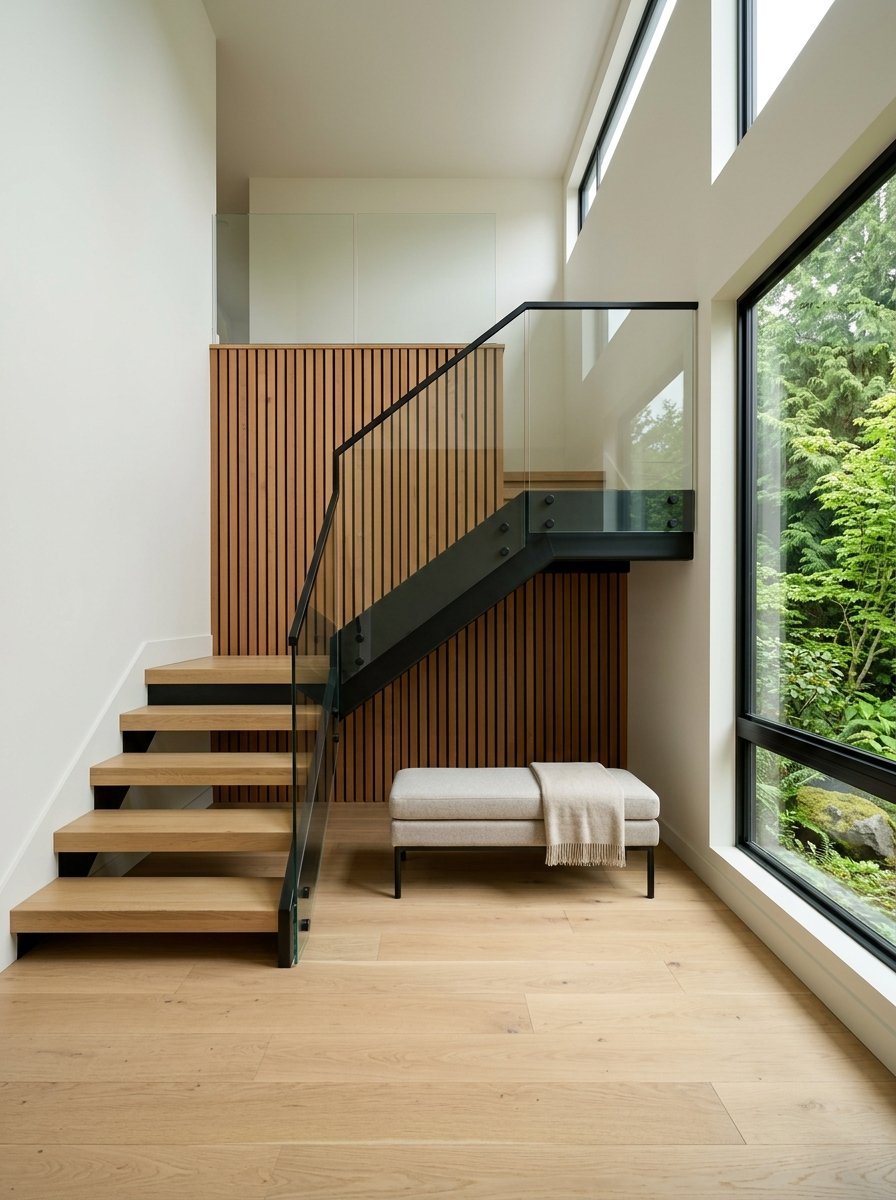
Wondering whether a townhome in Issaquah or Sammamish is the right fit for your next move? You are not alone. For many buyers, townhome living offers an appealing middle ground between a condo and a detached house, but the day-to-day reality can vary more than people expect. If you are comparing Eastside options, this guide will help you look past finishes and floor plans so you can focus on what really shapes ownership. Let’s dive in.
Why Townhomes Matter Here
Issaquah and Sammamish both treat townhomes as part of a broader middle-housing category rather than as a one-off product type. That matters because it shows these cities are planning for a wider range of housing options, including attached homes that can support different budgets, life stages, and ownership goals.
In Issaquah, middle housing was allowed through updated land-use rules in 2025, and townhomes are specifically included in that category. Sammamish also adopted new middle-housing regulations effective January 1, 2025, and its planning materials describe townhouses as homes that may be either rented or owned.
For you as a buyer, the takeaway is simple: the local townhome market is evolving. You may see more variety in layout, density, parking design, and community setup than you would expect if you were only thinking of townhomes as attached homes with similar features.
What Townhome Ownership Usually Means
A townhome often gives you more privacy and storage than an apartment-style home while asking less exterior upkeep from you than a detached house. That balance is a big reason first-time buyers, relocating professionals, and downsizers often include townhomes in their search.
At the same time, townhome living comes with tradeoffs. Shared walls, homeowner association rules, monthly dues, and common-area decisions all affect your living experience and your long-term costs.
In Washington common-interest communities, the association is generally responsible for maintaining, repairing, and replacing common elements and limited common elements. The individual owner is generally responsible for the unit itself unless the governing declaration says otherwise.
That means your ownership responsibilities may not stop at your front door, but they also may not include every exterior component. The exact line depends on the community documents, which is why reviewing those documents early is so important.
HOA Costs Deserve a Closer Look
One of the biggest mistakes buyers make is assuming HOA dues only cover landscaping. In reality, Washington law defines common expenses broadly, and those costs can include shared insurance, maintenance, services, taxes, and reserve contributions.
In practical terms, your monthly dues may support:
- Common-area upkeep
- Shared insurance costs
- Certain shared utilities or services
- Reserve funding for future repairs
- Maintenance of community features or infrastructure
This is why one townhome with lower dues is not automatically the better deal. A lower monthly payment can sometimes mean an HOA is contributing less to reserves or pushing maintenance into the future.
Why Reserve Funding Matters
Reserve funding is one of the clearest signs of HOA financial health. Reserve studies are meant to estimate major maintenance, repair, and replacement costs that do not fit neatly into a regular annual budget.
If reserves are underfunded, an HOA may need to delay repairs, increase dues later, borrow money, or issue a special assessment. That can create surprise costs for owners and make your monthly housing budget less predictable.
Washington also requires ongoing reserve-study review for many older HOAs, including annual review and at least one visual-inspection update every three years unless an exemption applies. For you, that makes the reserve study more than a technical document. It is a snapshot of how seriously the association plans for future expenses.
Issaquah Buyers Should Check CC&Rs Carefully
In Issaquah, zoning rules are only part of the picture. The city notes that existing private deed restrictions, including CC&Rs, may still limit the ability to add middle housing on an existing HOA lot even when city zoning allows it.
That creates an important distinction between what the city permits and what a private community allows. If you are buying in an HOA-governed townhome community, you should understand both layers before you move forward.
Issaquah also notes that HOAs established after July 2023 may not prohibit middle-housing construction. Even so, buyers should not assume every community operates the same way. The governing declaration and rules still shape what owners can and cannot do.
Parking Can Change Your Daily Routine
Parking is one of the most overlooked parts of townhome living, yet it can have a huge effect on your day-to-day experience. The number of spaces, whether garages are accessed from alleys, how guest parking works, and how public-street rules are enforced can all change how convenient a community feels.
In Issaquah, the current parking baseline for middle housing, excluding cottage housing, is 0.75 spaces per unit minimum and 1 space per unit maximum. Because townhomes are defined as middle housing, that is the starting point for many projects, though site-specific rules may still vary.
Some Issaquah developments may also operate under development agreements with different parking standards. In one 2025 Issaquah Highlands staff report, townhome units were allowed 1 to 2 spaces per unit, with compact spaces allowed for up to 60 percent of total parking.
That is why it is smart to verify the parking plan for the exact community you are considering. A citywide number does not always tell you what your guests, second vehicle, or delivery routine will actually look like.
Sammamish Has a Different Parking Baseline
Sammamish takes a more parking-forward approach in its baseline residential standard. Its code states that single detached and townhouse uses require 2.0 spaces per dwelling unit.
Even so, Sammamish also emphasizes right-sized parking and more pedestrian-oriented neighborhood design. In practice, that can mean communities built around green streets, alley-loaded garages, open-space systems, and connected walkways rather than large surface parking lots.
Recent Sammamish examples show how varied this can be. Brownstones West includes two rows of homes, a green street, and alley garage access, while another Sammamish Townhomes project includes townhomes, live-work units, and connected open-space and walkway systems.
For you, this means parking is not just about the number of spaces on paper. It is also about how the community is planned and how easy it feels to live there every day.
Public Parking Rules Still Matter
Even in a community with an HOA, public-street parking rules can affect your household and your guests. Sammamish prohibits parking on a public roadway for more than 72 consecutive hours.
In Issaquah, parking infractions within city limits are handled through the municipal court system. That may not sound like a buying decision factor at first, but it matters if you regularly host visitors, have multiple drivers in the household, or need flexible parking options.
When you tour a townhome community, look beyond the unit itself. Pay attention to guest spaces, curb availability, signage, alley access, and how cars are actually being stored throughout the neighborhood.
What to Review Before You Write an Offer
If you want a clearer picture of the real ownership experience, focus on the documents and rules that affect your monthly costs and daily routine. These items often reveal more than the marketing brochure.
Before writing an offer, review:
- HOA budget
- Reserve study
- Special-assessment history
- Parking map
- Guest parking rules
- Rental rules
- Pet rules
- Exterior modification rules
- Responsibility for roofs, siding, drainage, and private roads
These details can help you judge whether a townhome community feels financially stable, well managed, and aligned with your lifestyle. They also help you compare two similar-looking homes more accurately.
How Buyers Should Compare Issaquah and Sammamish
If you are deciding between Issaquah and Sammamish, the best approach is to compare communities, not just cities. Both markets are active in middle-housing policy, and both are likely to keep evolving.
Issaquah highlights middle housing as a way to add diversity in housing options and form. Sammamish frames its policy as expanding housing choices for different life stages and income levels.
That means your best townhome choice may come down to community design, HOA health, parking setup, and ownership rules rather than just square footage or interior updates. A polished kitchen is easy to notice. A weak reserve account or restrictive parking plan is easier to miss.
Townhomes Can Be a Smart Fit
For many Eastside buyers, a townhome can be a practical and comfortable next step. You may get more space and autonomy than a condo, with less exterior responsibility than a detached home.
The key is knowing what you are buying beyond the walls of the unit. When you understand the HOA, reserve funding, parking design, and community rules, you can make a decision with more confidence and fewer surprises.
If you are weighing townhome options in Issaquah or Sammamish, working with a local guide can help you compare communities at a deeper level and avoid the details that often get overlooked. When you are ready for tailored guidance, connect with Chris Watkins for a thoughtful, local approach to your Eastside home search.
FAQs
What should buyers review before buying a townhome in Issaquah or Sammamish?
- Buyers should review the HOA budget, reserve study, special-assessment history, parking map, guest parking rules, rental and pet rules, exterior-change rules, and maintenance responsibility for roofs, siding, drainage, and private roads.
How do HOA dues work for townhomes in Washington?
- HOA dues often cover more than landscaping and may include shared insurance, maintenance, services, some utilities, taxes, and reserve contributions for future repairs.
How is parking different for townhomes in Issaquah and Sammamish?
- Issaquah generally uses a lower middle-housing parking baseline, though project-specific rules may vary, while Sammamish has a baseline standard of 2.0 spaces per townhouse dwelling unit.
Why do reserve studies matter when buying a townhome?
- Reserve studies help estimate major future repair and replacement costs, and weak reserve funding can lead to deferred maintenance, higher dues, borrowing, or special assessments.
Do HOA rules matter even if city zoning allows townhomes in Issaquah?
- Yes. In Issaquah, private deed restrictions and CC&Rs can still affect what is allowed in a community even when city zoning permits a use.
Are townhomes in Sammamish always set up the same way?
- No. Sammamish planning materials and recent projects show that townhome communities can vary in layout, density, garage access, open-space design, and pedestrian connections.