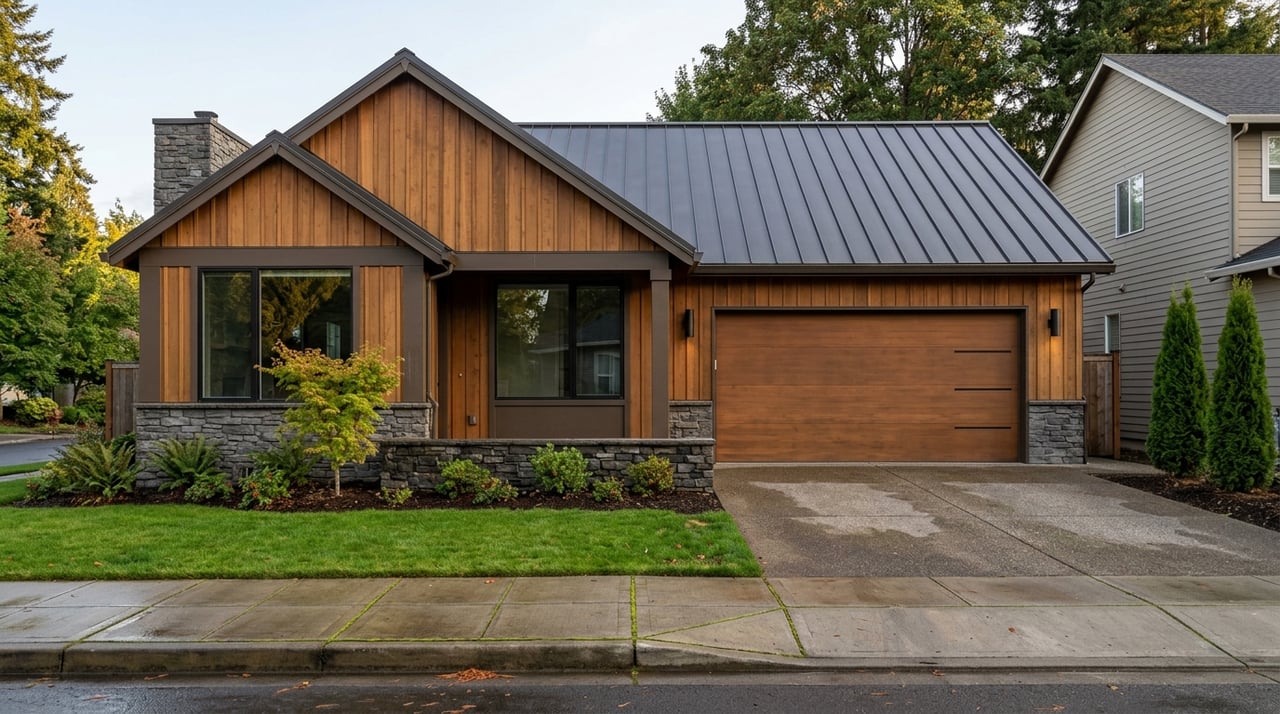
Choosing between Snoqualmie Ridge and Historic Downtown Snoqualmie is not just about picking a home. It is about deciding how you want your day-to-day life to feel. If you are trying to balance commute patterns, home style, walkability, and access to parks or local businesses, this guide will help you compare both areas with more clarity. Let’s dive in.
Snoqualmie Ridge at a Glance
Snoqualmie Ridge is the city’s master-planned residential area. According to the city, it was developed with an overall blueprint for streets, home orientation, parking, sidewalks, parks, open space, trails, and schools, with the neighborhood center serving as the heart of the area.
That planning shows up in everyday life. If you value a more structured neighborhood layout, newer housing patterns, and nearby civic amenities, the Ridge often feels more predictable and convenience-oriented.
What the Ridge feels like
The Ridge tends to offer a more standardized neighborhood experience. Streets, sidewalks, parks, and residential areas were designed as part of one larger vision, which can create a cohesive feel from block to block.
For many buyers, that means less guesswork. You can often expect a more uniform streetscape, easier access to neighborhood amenities, and a layout built around residential living first.
Housing on Snoqualmie Ridge
One common misconception is that the Ridge is made up of only one housing type. In reality, the city says Snoqualmie has significant middle housing in the Ridge, including duplexes, townhouses, courtyard apartments, cottage housing, and stacked flats.
That broader mix can be helpful if you want options beyond a traditional detached home. It also means buyers at different stages, from first-time buyers to downsizers, may find a product type that fits their goals.
Parks and amenities on the Ridge
One of the Ridge’s biggest lifestyle advantages is how closely outdoor amenities are woven into the neighborhood. Snoqualmie Community Park is a 33-acre park with a splash pad, skate park, tennis courts, soccer fields, play equipment, walking paths, trail access, and restrooms.
The park is also home to the Snoqualmie Community Center/YMCA. The city says the center is open to all residents and offers programs, daily passes, and free or low-cost access options, which adds a practical community benefit for many households.
Historic Downtown Snoqualmie at a Glance
Historic Downtown Snoqualmie is the city’s older core and has a very different identity. City planning materials describe redevelopment that should remain compatible with the Historic and Landmark District, and city documents refer to the area as the 100-year-old Historic Snoqualmie district.
That gives downtown a more preservation-minded character. If you are drawn to older homes, a more compact street pattern, and a setting shaped by local history, downtown may feel more distinctive and more rooted in place.
What downtown feels like
Downtown is less about subdivision-style planning and more about pedestrian movement, historic form, and mixed-use continuity. In practical terms, that often translates into a more walkable, small-town environment where homes, shops, cultural attractions, and public spaces feel closely connected.
It is also more visitor-facing than the Ridge. With Snoqualmie’s tourism activity and landmark destinations nearby, downtown can feel more active and public, especially around key attractions and business areas.
Housing in historic downtown
Downtown housing tends to be older and more preservation-sensitive. A recent city landmark designation for the English-Peterson home on Maple Avenue, built in 1926, reflects the area’s historic residential fabric.
That said, age and character come with planning considerations. City flood materials identify downtown floodplain and floodway homes as a specific concern, and the city has programs aimed at elevating or acquiring flood-prone homes, so buyers should understand how flood-aware planning may affect certain properties.
Downtown parks and walkable destinations
Downtown’s outdoor appeal is tied less to neighborhood recreation complexes and more to landmark places and river-oriented connections. The city says Snoqualmie Falls is a one-mile paved walk to and from historic downtown, and the planned Rivertrail project is intended to connect Snoqualmie Falls to historic downtown and Meadowbrook.
Railroad Park and the Centennial Log Pavilion sit in the heart of Historic Snoqualmie near the historic depot, the Northwest Railway Museum, and nearby shops and restaurants. The downtown walking tour and boardwalk near the depot add to the area’s compact and interpretive feel.
Side-by-Side Lifestyle Differences
If you are deciding between the two, the biggest difference is not simply new versus old. It is planned neighborhood living versus historic, mixed-use living.
The Ridge is built around everyday residential convenience. Downtown is built around historic continuity, small-business activity, and destination-oriented walkability.
Daily rhythm and atmosphere
On the Ridge, outdoor access often feels like part of your normal routine. Parks, trails, and community amenities function as built-in neighborhood features.
Downtown offers a different kind of rhythm. You may be closer to shops, local attractions, the river corridor, and a more active main-street environment that serves both residents and visitors.
Small-business environment
The commercial identity of the two areas is also different. Snoqualmie Ridge is more planned and service-oriented, centered around the neighborhood center and business park.
Historic downtown has the stronger cluster of independent small businesses. The merchant association lists businesses such as an art gallery, coffeehouse, arts cafe, restaurant, hardware store, boutique retail, brewery, ice cream shop, flower shop, pet boutique, salon, and museum.
Commute and Getting Around
Your commute and transportation preferences may play a big role in which area feels more practical. While both areas are part of Snoqualmie, they connect to the region in different ways.
Driving from Snoqualmie Ridge
For many drivers, Snoqualmie Ridge has the more freeway-oriented setup. The city says Snoqualmie Parkway was built as part of the Ridge master-planned community, and WSDOT completed a diverging-diamond upgrade and widening work at the I-90/SR 18 interchange south of Snoqualmie to improve flow and safety.
If your routine involves frequent trips toward other Eastside destinations, that road network may feel more direct. Buyers who prioritize ease of highway access often look closely at the Ridge for that reason.
Driving in historic downtown
Historic downtown centers more on Railroad Avenue and SR 202. The city adopted lower speed limits through the corridor and is building a continuous shared-use path between the Snoqualmie River bridge and downtown.
That can support a more pedestrian-friendly setting, but it also means the street environment is shaped differently than the Ridge. If you want a calmer, historic main-street feel, that may be a plus.
Transit expectations
Transit in the area is bus-based rather than rail-based. King County Metro Route 208 serves North Bend, Snoqualmie Ridge, and Issaquah Transit Center, providing regional connections and transfers.
For most commuters, that means transit can be useful, but you should expect to connect through Issaquah rather than count on a direct one-seat ride to many Eastside destinations.
Which Area Fits You Best?
Both neighborhoods can be a strong fit, but they tend to serve different priorities. The right choice depends on how you want your home, neighborhood, and routines to work together.
Snoqualmie Ridge may fit you if
- You prefer a master-planned neighborhood environment
- You want newer housing types and more standardized design
- You value quick access to neighborhood parks, trails, and civic amenities
- You want a more freeway-oriented setup for driving
Historic Downtown may fit you if
- You are drawn to historic character and older homes
- You want walkability to independent shops, restaurants, and local attractions
- You like a compact, mixed-use setting with river and landmark access
- You are comfortable evaluating homes within a flood-aware planning context
How to Compare Homes in Each Area
When you tour homes in Snoqualmie, it helps to compare more than square footage or finishes. The surrounding environment can have just as much impact on your long-term satisfaction.
As you evaluate options, pay attention to:
- How often you want to drive versus walk for daily activities
- Whether you prefer newer planning or historic character
- How important parks and trail access are to your routine
- Whether independent shops or neighborhood amenities matter more to you
- How flood-related planning may affect certain downtown properties
A thoughtful comparison can help you avoid buying a home that looks right on paper but does not match how you actually live.
Final Thoughts on Snoqualmie Living
Snoqualmie Ridge and Historic Downtown Snoqualmie each offer a clear lifestyle identity. The Ridge stands out for planned convenience, a broader mix of newer housing types, and easy access to parks and civic amenities. Downtown stands out for historic character, walkability, small-business energy, and proximity to the falls and river corridor.
If you are weighing both areas, a local perspective can make the decision much easier. From home style and neighborhood feel to commute patterns and property-specific considerations, the details matter. If you want help comparing homes in Snoqualmie with a clear, tailored strategy, connect with Chris Watkins.
FAQs
What is the main difference between Snoqualmie Ridge and Historic Downtown Snoqualmie?
- Snoqualmie Ridge is a master-planned residential area with newer housing patterns, neighborhood parks, and civic amenities, while Historic Downtown Snoqualmie is an older, preservation-oriented area with walkability, historic character, and a stronger independent business presence.
Is Snoqualmie Ridge or Historic Downtown better for walkability in Snoqualmie?
- Historic Downtown Snoqualmie generally offers the more walkable, compact environment because it is closely tied to shops, restaurants, parks, the depot area, and the route toward Snoqualmie Falls.
What kinds of homes are common on Snoqualmie Ridge?
- The city says the Ridge includes a range of housing types such as duplexes, townhouses, courtyard apartments, cottage housing, and stacked flats, giving buyers more variety than many expect.
Are there flood considerations in Historic Downtown Snoqualmie?
- Yes. City flood materials identify downtown floodplain and floodway homes as a specific concern, so buyers should review property-specific flood planning and site conditions carefully.
Which Snoqualmie neighborhood is better for commuters?
- Buyers who want a more freeway-oriented driving setup often prefer Snoqualmie Ridge because of its connection to Snoqualmie Parkway and the improved I-90/SR 18 interchange, while downtown offers a more pedestrian-focused street setting.
Is there public transit from Snoqualmie to other Eastside destinations?
- Yes. King County Metro Route 208 serves Snoqualmie Ridge and connects through Issaquah Transit Center, but many trips will require a transfer rather than a direct one-seat ride.