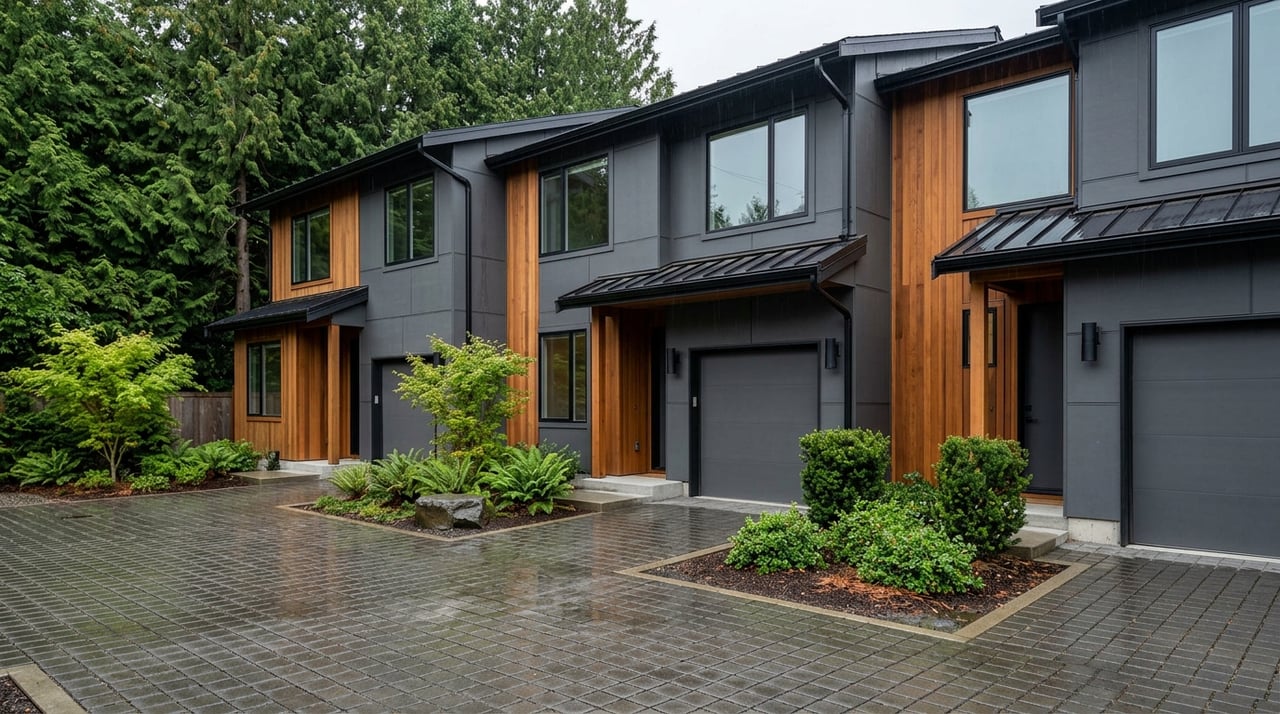
If you want lower-maintenance living in Bothell without giving up convenience, a condo or townhome can be a smart move. But these homes come with a different kind of due diligence than a detached house, especially when you look at dues, reserves, parking, and governing documents. This guide will help you understand what to review, what questions to ask, and how to make a more confident decision before you buy. Let’s dive in.
Why Bothell Condos and Townhomes Need Careful Review
Bothell is a growing city of about 49,550 residents with 20,824 housing units, and the local housing mix is still led by single-family homes. According to the City of Bothell housing overview, low-maintenance housing is an important part of the market, but it remains a smaller slice of the overall inventory. That makes project quality and association health especially important when you compare your options.
Bothell also spans both King and Snohomish counties, which can affect practical ownership costs like property taxes. The city is well connected by I-405 and several major state routes, but outside downtown many trips still require driving, based on the city’s Transportation Element. In other words, location inside Bothell matters just as much as the home itself.
Know the Difference First
Before you fall in love with a property, confirm whether you are buying a condominium or a townhome governed by a homeowners’ association. In Washington, condos and HOAs follow different legal frameworks, and that affects the documents, disclosures, and records you should review.
Condominiums are governed under chapter 64.34 RCW, while many homeowners’ associations are governed under chapter 64.38 RCW. A home that looks like a townhome may still be legally structured in a way that changes what you receive during the transaction. That is why the legal setup should be one of your first questions.
Why the structure matters
The ownership structure affects how common areas are maintained, what the association must disclose, and how reserves are handled. It also affects what records are available for you to review before closing.
For example, condo resales require a resale certificate with detailed project information. HOA-governed homes may not use the same exact disclosure format, but associations are still required to maintain important financial and operational records. Either way, you want to review more than just the listing remarks.
Review the Resale Certificate Carefully
If the property is a condo resale, Washington law requires the seller to provide a resale certificate before contract execution or conveyance. This document is one of the most important parts of your due diligence.
The resale certificate can include:
- Monthly assessments
- Unpaid dues
- Special assessments
- Reserve balances
- Current budget
- Insurance information
- Pending litigation
- Code violations
- Governing documents and rules
- Current reserve study
- EV charging requirements
- A warning if there is no current reserve study
This is where you can spot issues that may not be obvious during a showing. A clean, updated packet can give you confidence. Gaps, unclear answers, or signs of deferred maintenance deserve a closer look.
Check what is actually assigned to the unit
Do not assume the parking space, balcony, patio, or storage area you see automatically comes with the home. Under Washington condo law, the survey map may identify limited common elements such as parking spaces, balconies, patios, and storage facilities.
That means you should confirm what is assigned exclusively to your unit and what is shared. This step can save you from surprises after closing, especially in communities where storage and parking are a major value driver.
Look Beyond Monthly Dues
A common mistake is choosing the home with the lowest dues without looking at what those dues support. In a condo or townhome community, the monthly number only tells part of the story.
A better question is whether the association appears financially prepared for future repairs. Washington statutes for both condos and HOAs put strong emphasis on reserve studies, annual updates, and regular visual inspections for projects with significant common assets. Those studies are meant to account for major repair items like roofing, painting, paving, decks, siding, plumbing, and windows.
Why reserve studies matter
A low monthly fee can look attractive at first, but it may not be a bargain if reserves are thin or a special assessment is likely. Stronger reserves can mean more predictable ownership costs over time.
When you review the documents, ask:
- When was the last reserve study completed?
- Has it been updated annually?
- Is there a funding plan?
- Are major repairs expected soon?
- Has the association discussed a special assessment?
These questions can help you compare homes more accurately than dues alone.
Understand Rules Before You Commit
Lifestyle fit matters in condo and townhome living. The right home is not just about square footage or finishes. It is also about whether the rules match how you plan to live.
The governing documents often cover pet policies, amenity access, leasing restrictions, balcony use, storage rules, and other day-to-day details. As the resale disclosure rules make clear, these items are usually found in the declaration, bylaws, or house rules, so it is important to read the actual documents rather than relying on marketing language.
Focus on the rules that affect you most
Before you move forward, think about your own priorities. Then match them against the written rules.
Pay close attention to:
- Pet limits or breed and size restrictions
- Rental or leasing limits
- Guest parking rules
- Balcony and patio use rules
- Storage access and restrictions
- Amenity hours or reservation rules
A quick read now can prevent frustration later.
Parking, Storage, and EV Access Matter in Bothell
In Bothell, parking is not a minor detail. It can shape your daily routine, your guest experience, and your future resale appeal.
The city notes that downtown has free visitor parking and time-limited street parking, while overnight parking is not allowed in the City Hall garage, according to Bothell’s transportation planning documents. That makes it especially important to ask what parking is assigned, what guest parking exists, and whether any overnight restrictions apply within the community.
Ask specific questions about access
Parking and storage can vary widely from one project to another. What seems standard in one community may be rare in another.
Ask about:
- Number of assigned spaces
- Whether spaces are deeded, reserved, or common-use
- Guest parking availability
- Bike storage
- Storage room or locker assignment
- EV charging rules or owner responsibilities
If you commute regularly or expect frequent visitors, these details deserve real attention.
Verify Property Taxes by Address
Bothell crosses county lines, so property taxes are not a one-size-fits-all estimate. A condo or townhome may be taxed through King County or Snohomish County depending on the exact address.
The City of Bothell property tax page also notes that both counties offer relief programs for qualifying seniors, people with disabilities, or fixed-income homeowners. When you calculate your monthly carrying costs, verify the county and tax district for the specific property instead of relying on a broad citywide guess.
Insurance Is Part of the Cost Picture
Association insurance is another item buyers sometimes overlook until late in the process. But it plays a direct role in what you may need to insure on your own.
Condo resale certificates and HOA records can surface insurance information, including details about the association’s master policy. You should confirm what the master policy covers and what you, as the owner, may need to insure separately. This can affect your monthly cost and your risk planning after closing.
Think About Convenience and Future Resale
No one can guarantee future appreciation, but some practical features tend to matter more when you buy and when you eventually sell. In Bothell, predictable dues, healthy reserves, no looming assessments, assigned parking or storage, workable rules, and convenient access to transit and daily services can all support long-term appeal.
The city highlights local assets like the Sammamish River Trail and North Creek Trail, and Sound Transit says Stride BRT is planned to run every 10 to 15 minutes, more than 17 hours a day, seven days a week, with service beginning as soon as 2028. Homes near downtown, trail connections, or major commuting corridors may stand out to future buyers, even though every resale outcome depends on market conditions and the individual property.
A Practical Bothell Buying Checklist
If you are comparing condos or townhomes in Bothell, keep this short checklist handy:
- Confirm whether the property is legally a condo or HOA-governed townhome
- Review the resale certificate or association records in full
- Check monthly dues alongside reserve strength
- Ask whether any special assessments are planned
- Verify assigned parking, guest parking, and storage
- Review pet, leasing, and amenity rules
- Confirm EV charging policies or responsibilities
- Verify the county tax district by address
- Review the association’s insurance coverage
- Consider access to commuting routes, transit, downtown, and trails
Use First-Time Buyer Resources if Needed
If this is your first condo or townhome purchase, it can help to get educated before you compare communities. The Washington State Department of Financial Institutions points buyers to free homebuyer education seminars, pre-purchase counseling, the Washington Homeownership Resource Center, and a Guide to Home Loans.
These resources can help you understand budgeting, loan documents, and the long-term cost of ownership. They are especially useful when you are weighing HOA dues, reserve strength, and the tradeoffs between lower maintenance and monthly carrying costs.
Final Thoughts
Buying a condo or townhome in Bothell can be a great fit if you want convenience and a more manageable homeownership experience. The key is to look beyond the finishes and ask smart questions about legal structure, reserves, insurance, parking, and rules before you commit.
If you want a clear, practical guide as you compare Bothell communities, Chris Watkins offers thoughtful, hands-on support to help you evaluate the details and move forward with confidence.
FAQs
What should you review before buying a condo in Bothell?
- You should review the resale certificate, monthly dues, reserve study, special assessments, insurance details, governing documents, parking assignments, storage, and community rules.
What is the difference between a condo and a townhome in Bothell?
- In Bothell, the key difference is often the legal ownership structure and governing framework, not just the physical style of the home, so you should confirm whether the property is governed as a condominium or by an HOA.
Why do reserve studies matter when buying a Bothell condo or townhome?
- Reserve studies help show whether the association is planning for major future repairs such as roofing, siding, paving, windows, and decks, which can affect dues and the risk of special assessments.
How do property taxes work for condos and townhomes in Bothell?
- Property taxes depend on the property’s exact location because Bothell includes addresses in both King County and Snohomish County, so address-level verification is important.
What parking questions should you ask when buying in Bothell?
- You should ask how many spaces are assigned, whether guest parking is available, whether any overnight restrictions apply, and whether storage or bike parking is included.
Are pet and rental rules important when buying a Bothell condo or townhome?
- Yes, pet policies, leasing restrictions, balcony rules, storage use, and amenity access can all affect your day-to-day experience, so you should read the governing documents carefully.