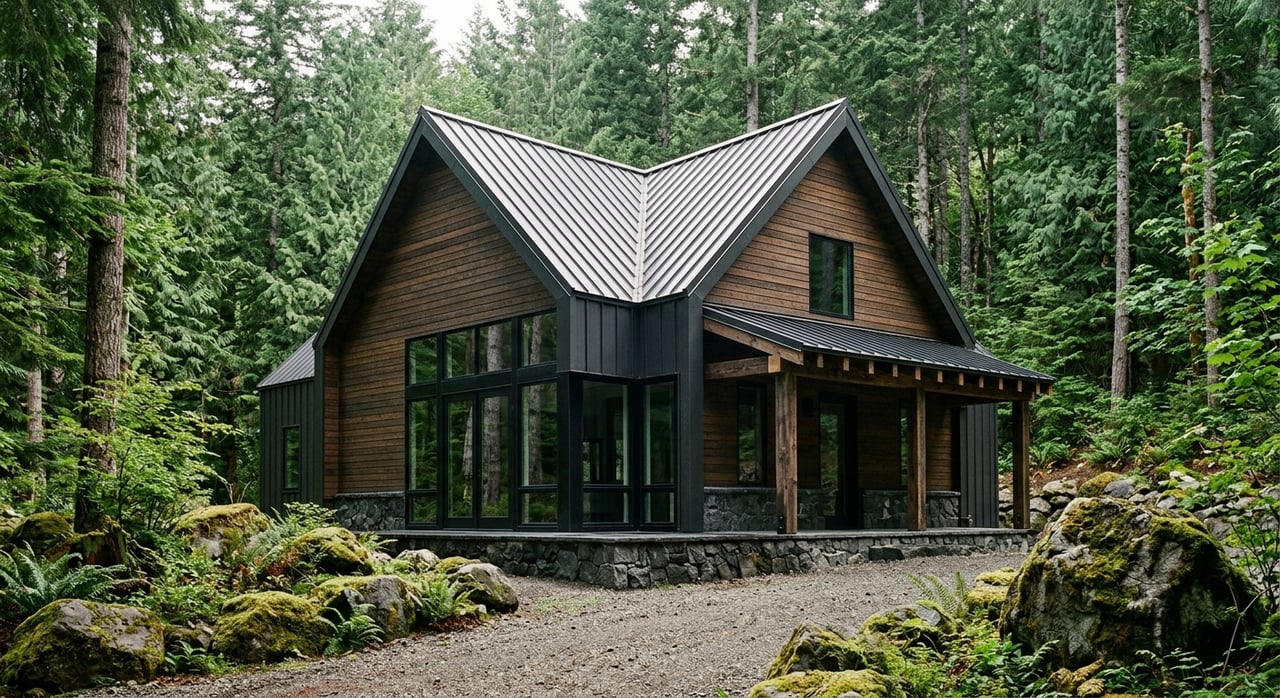
Thinking about trading denser Eastside living for more space, quieter roads, and easy access to rivers and trails? Fall City offers that change of pace, but it comes with a different set of expectations than many buyers are used to in suburban neighborhoods. If you are considering a move to Fall City, it helps to understand how the town is planned, what daily life looks like, and what due diligence matters most before you buy. Let’s dive in.
Fall City Has a True Rural Feel
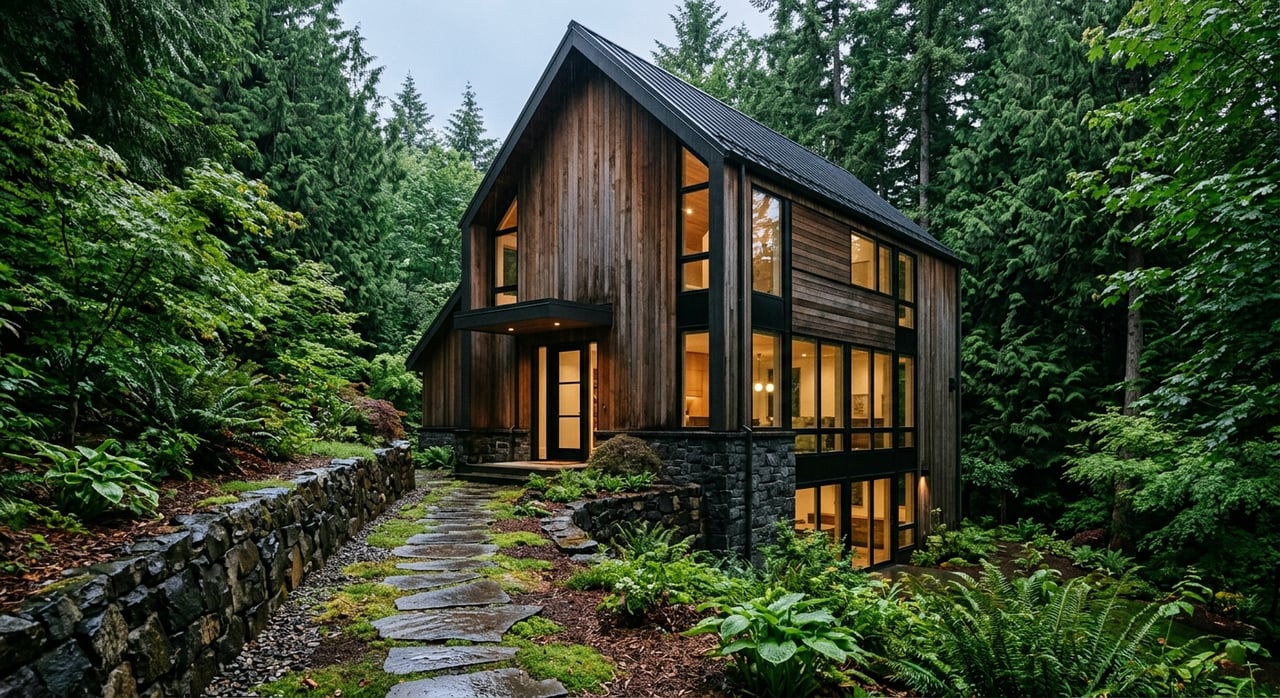
Fall City is not just a smaller suburb. King County classifies it as an unincorporated rural town with a small-scale downtown, historic buildings, locally owned businesses, open spacing between streets and buildings, and a distinct rural-town identity. County policy also keeps development low-density at roughly 1 to 4 dwelling units per acre, which helps preserve that character over time.
That matters if you are comparing Fall City with places like Redmond, Issaquah, or Sammamish. In Fall City, the setting is intentionally less dense and more spread out. According to King County planning documents, the long-term vision is to maintain its rural feel rather than grow into a typical suburban center.
The numbers support that picture. Census Reporter data for Fall City estimates about 1,618 residents across 2.8 square miles, or roughly 570 people per square mile. For many buyers, that translates to a lifestyle with more breathing room and a stronger connection to the surrounding landscape.
What Daily Life Looks Like
If you move to Fall City, your day-to-day routine will likely feel more car-oriented than it would in denser Eastside communities. The town has a small downtown and local services, but errands and amenities are often spread across the broader Snoqualmie Valley rather than concentrated in a large retail core.
That does not mean you are isolated. Fall City is served by the Snoqualmie Valley School District, and Fall City Elementary School is located in town. The community also has local fire protection through King County Fire District 27, which serves about 6,400 people across 22 square miles.
Transportation options exist, but most households should still expect to drive regularly. Snoqualmie Valley Transportation provides bus service to Fall City, while Census Reporter estimates a mean travel time to work of 30.1 minutes. For many buyers, the tradeoff is simple: you gain space and a quieter setting, but you give up some convenience and transit density.
Housing in Fall City Is Different
One of the biggest things to know first is that buying in Fall City often involves more property-specific homework than buying in a newer subdivision. King County’s planning framework for the area emphasizes rural residential development, limited commercial growth, and rural-level utilities and public services. That can affect how a property handles wastewater, water, drainage, and access.
In practical terms, you should expect to look closely at:
- Septic or other wastewater arrangements
- Water service
- Drainage and site conditions
- Access and road considerations
- Floodplain status
These are not minor details in a rural market. They can affect how a property functions, what future work may be needed, and how confident you feel moving forward with a purchase.
Expect a Thin Housing Market
Fall City tends to have a limited number of available homes at any given time. That can be appealing if you want a place with less turnover and a more distinct housing stock, but it also means fewer options and less consistent month-to-month pricing data.
Census Reporter estimates the median owner-occupied home value at about $1,010,300. The research also notes that recent listing and sales snapshots show very low transaction volume, with only a handful of listings and sales in a given month. Because the sample is so small, short-term price changes are better viewed as directional rather than definitive.
For buyers, this means timing matters. You may need to act quickly when the right property comes up, but you also need enough discipline to evaluate the property itself, not just the asking price.
River Access Is a Major Lifestyle Perk
Fall City’s setting is one of its biggest draws. King County describes the community as sitting where the Snoqualmie and Raging Rivers meet, surrounded by an agricultural valley, scenic vistas, open space, and salmon-bearing streams. If you want a home base that feels connected to the outdoors, this location stands out.
Residents are close to several recreation options. The Snoqualmie Valley Regional Trail and area planning map identifies access to the Snoqualmie Valley Regional Trail, the Tokul mountain-bike trail network, Fall City Park, and the Fall City boat ramp. That gives you multiple ways to enjoy the area without heading far from home.
For many buyers, this outdoor access is the reason Fall City makes the shortlist in the first place. It offers a lifestyle that feels grounded in the valley, the rivers, and the trail network, rather than centered on shopping districts or higher-density development.
Floodplain Risks Need Careful Review
The same river setting that makes Fall City appealing also creates an important planning issue. King County notes that much of Fall City is built on the Raging River’s alluvial fan, and levees line both banks along the lower river. A county floodplain restoration fact sheet also places a project about half a mile downstream of the SR 202 bridge.
That does not mean every property carries the same level of risk. It does mean that floodplain review should be one of your first steps, not an afterthought. If you are evaluating homes in or near the river corridor, you will want a clear understanding of location-specific floodplain status and how the site has been planned or improved.
This is one area where local guidance matters. A home can look ideal on paper, but the lot characteristics may shape everything from insurance considerations to long-term usability.
Storm Readiness Is Part of Rural Living
Rural living often comes with a different level of self-sufficiency. King County Fire District 27 advises residents to prepare for up to seven days without power during storm events. That is an important reminder for buyers who are used to more urban service patterns.
Before you buy, think through what storm readiness looks like for your household. You may want to consider backup power plans, road access during bad weather, and how the property performs during heavy rain or winter conditions. These are practical questions, and in Fall City they are part of smart planning.
Who Fall City Fits Best
Fall City can be a strong fit if you want space, privacy, and a more rural pace while staying connected to the broader Eastside and Snoqualmie Valley. It may especially appeal to buyers who value outdoor recreation, lower-density surroundings, and properties with more land or a more custom feel.
It may be less ideal if your top priorities are walkable retail, dense service options, or a transit-rich commute. Fall City offers a different kind of convenience. Instead of having everything packed close together, you get room to spread out and a setting shaped by rivers, open land, and a small-town rhythm.
The key is knowing what tradeoffs you are willing to make. If that balance sounds appealing, Fall City may be worth a closer look.
What To Check Before You Buy
Before making an offer in Fall City, keep your early due diligence focused on the issues that matter most in a rural market:
- Confirm the property’s floodplain status.
- Review septic or wastewater setup.
- Verify water service and site utilities.
- Look closely at drainage and access.
- Consider storm preparedness and power outage planning.
- Evaluate commute patterns and daily errand routes.
- Compare current inventory carefully, since the market is often thin.
A thoughtful review upfront can help you avoid surprises later. In a place like Fall City, the land and site details are often just as important as the home itself.
If you are weighing a move to Fall City and want a clear, local perspective on how a property fits your goals, Chris Watkins offers hands-on guidance tailored to Eastside and Snoqualmie Valley buyers. Whether you are relocating, comparing communities, or narrowing down the right home, you can benefit from expert support that keeps both lifestyle and due diligence in focus.
FAQs
What should buyers know first about moving to Fall City?
- Fall City is a rural town by design, with low-density development, a small downtown, more car-oriented daily living, and greater importance placed on site-specific details like septic, water, drainage, and floodplain status.
How rural is Fall City compared with other Eastside areas?
- King County classifies Fall City as an unincorporated rural town planned for roughly 1 to 4 dwelling units per acre, which makes it feel less dense and more rural than many suburban Eastside communities.
What housing due diligence matters most in Fall City?
- Buyers should review floodplain status, septic or wastewater arrangements, water service, drainage, and site access early because these factors are especially important in a rural residential area.
What is the commute like from Fall City?
- Fall City is generally car-oriented, though bus service is available through Snoqualmie Valley Transportation, and Census Reporter estimates the mean travel time to work at about 30.1 minutes.
What outdoor recreation is available near Fall City?
- Residents have access to the Snoqualmie Valley Regional Trail, the Tokul mountain-bike trail network, Fall City Park, and the Fall City boat ramp, along with nearby river access and open-space scenery.
Are services and schools available in Fall City?
- Fall City is served by Snoqualmie Valley School District, includes Fall City Elementary School in town, and has local fire protection and a small business district, though it does not offer the same level of retail concentration as a larger suburb.